Superfood Overload: How Chasing Trendy Ingredients Is Actually Holding Your Bowl Back
Somewhere between the açaí craze and the current obsession with black seed oil, a weird thing happened to the way fitness-minded eaters build their bowls. The goal quietly shifted from nourishing your body to collecting the right ingredients. And if you've ever stood in the Whole Foods supplement aisle wondering whether you really need moringa powder on top of the spirulina you're already not sure about, you've felt that shift firsthand.
Here's the paradox nobody really talks about: the more superfoods you stack into a single bowl, the less likely any of them are actually doing what you think they're doing.
The Marketing Machine Behind 'Superfoods'
Let's be clear — there's no regulatory definition of a superfood. The FDA doesn't certify it. No governing body hands out the label. It's a marketing term, and a wildly effective one. Once a study (often small, often preliminary) links an ingredient to some desirable health outcome, the wellness industry moves fast. Within months, that ingredient is in protein powders, smoothie packets, and bowl topping guides across every platform you use.
That's not to say these ingredients are useless. Blueberries genuinely are loaded with antioxidants. Hemp seeds do deliver a solid fatty acid profile. Turmeric has real anti-inflammatory compounds. The problem isn't the ingredients themselves — it's the assumption that more of them, piled together, automatically equals better results.
When More Becomes Less
Nutrition researchers have a concept called competitive absorption. Some nutrients actively compete for the same transport pathways in your digestive system, meaning when you eat them together in large amounts, they essentially fight each other for entry. Iron and calcium are a classic example — high calcium intake can suppress non-heme iron absorption significantly. Zinc and copper play a similar game.
Now imagine a bowl that includes hemp seeds (zinc), a heavy Greek yogurt base (calcium), spinach (non-heme iron), and a sprinkle of pumpkin seeds (more zinc). Each of those ingredients looks great on paper. Together, in large enough quantities, they may actually be undermining the very micronutrient goals you're trying to hit.
And that's before you even get into the caloric reality. Superfoods tend to be calorie-dense. Nut butters, seeds, avocado, coconut flakes, cacao nibs — these are all legitimate whole foods, but stacking five of them into one bowl because each one has a health halo can push you well past your intended intake without feeling like you've eaten much at all.
Your Body Isn't Anyone Else's Body
This is where things get genuinely personal. Bioavailability — how much of a nutrient your body can actually absorb and use — varies dramatically from person to person. Your gut microbiome composition, your genetic variants, your current stress levels, your hydration status, and even the medications you take all influence how you process what you eat.
Some people are poor converters of beta-carotene to vitamin A, meaning all the sweet potato and carrot in the world won't deliver the vitamin A payoff they're expecting. Others have genetic variants that affect folate metabolism, making certain leafy greens more or less useful depending on their specific form. A small percentage of the population actually absorbs oxalate-rich foods like spinach and beet greens in ways that can contribute to kidney stone formation over time.
The superfood your coworker swears by — the one that changed their energy levels and cleared their skin — might be doing absolutely nothing for you. Or it might be doing something, but not what you think, because the effect you're noticing is actually coming from a completely different ingredient in the same bowl.
The Framework for Figuring Out What Actually Works for You
So how do you cut through the noise? Here's a practical approach that doesn't require a nutrition degree or a functional medicine doctor (though those aren't bad ideas either).
Start with an elimination rotation. Instead of adding more ingredients, temporarily simplify. Build bowls with a protein source, one complex carb, a fat source, and one or two vegetables. Eat that way for two weeks and note your energy, digestion, and recovery. Then add one new ingredient at a time, one week at a time, and actually track how you feel.
Pay attention to digestion as a signal. Bloating, gas, and inconsistent energy after eating are your body's way of flagging a mismatch. Many people eat kale or raw cruciferous vegetables because they're objectively nutritious, without realizing their gut is struggling with the fiber load. That's not a failure of the vegetable — it's information about your current digestive capacity.
Stop building bowls for your phone. This one's uncomfortable but worth saying. A lot of bowl-building decisions are made with aesthetics in mind — the pop of purple from açaí, the visual contrast of microgreens, the Instagram-worthy drizzle of tahini. That's fine for enjoyment, but it's not a nutrition strategy. If you're honest with yourself about which ingredients you're eating because they make you feel good versus which ones you're eating because they photograph well, you'll probably find a few candidates to reconsider.
Look at what you're consistently eating, not what you occasionally add. The superfoods you sprinkle on once or twice a week have a fraction of the impact of the staple ingredients you eat every day. If your base is white rice and your protein is a processed chicken strip, no amount of goji berries on top is going to meaningfully change your nutritional outcome.
What Ingredient Synergy Actually Looks Like
The bowls that genuinely deliver results aren't the most exotic — they're the most intentional. Pairing fat-soluble nutrients (like the lycopene in tomatoes or the beta-carotene in carrots) with a healthy fat source dramatically increases absorption. Adding a squeeze of lemon to iron-rich plant foods boosts uptake. Combining fermented ingredients with prebiotic fiber feeds your gut in a way that a dozen isolated superfoods never could.
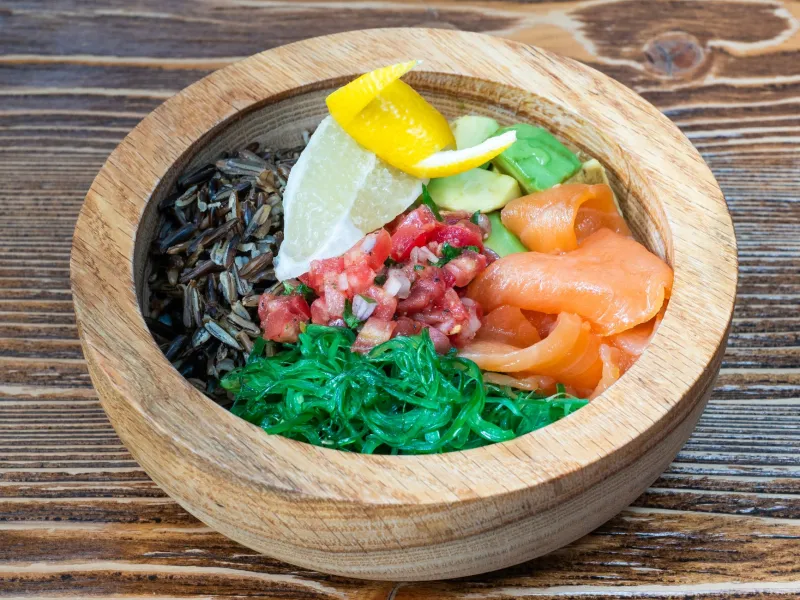
Think about a bowl built around brown rice, roasted salmon, steamed broccoli, sliced avocado, and a miso-ginger dressing. No trendy powders. No rare berries flown in from South America. Just a handful of whole ingredients chosen for how they interact — and that bowl will outperform a superfood chaos bowl almost every single time.
The Real Flex Is Knowing Your Body
In a food culture that rewards novelty and complexity, choosing simplicity and intentionality is genuinely countercultural. The most performance-driven eaters — the athletes, the longevity-focused, the people who actually feel good in their bodies year-round — tend to eat a relatively tight rotation of foods they've verified work for them.
That's the bowl-builder's real advantage: not knowing which superfood went viral this week, but knowing exactly which five ingredients make you feel sharp, recovered, and energized. Build from that foundation. Add curiosity and variety slowly. And give yourself permission to care less about what's trending and more about what's actually working.
Your bowl doesn't need to impress anyone. It just needs to work for you.