Wet Bowls Win: How Water-Rich Ingredients Unlock Nutrients You're Already Eating
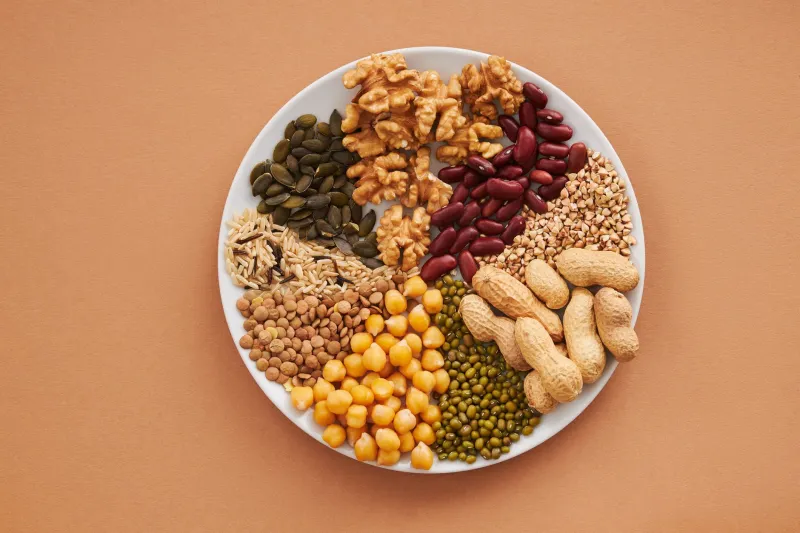
There's a certain kind of fitness bowl that gets all the attention — the one stacked with grilled chicken, brown rice, roasted chickpeas, and a drizzle of tahini. It looks serious. It looks optimized. And the macros? Basically perfect.
But here's something that rarely makes it into the conversation: how dry that bowl actually is. And dryness, it turns out, matters more than most people realize when it comes to getting the full benefit of everything you just ate.
Water content in food isn't just filler. It's an active participant in digestion, nutrient transport, and recovery. Once you understand the role it plays, building a bowl becomes a whole different exercise.
Your Digestive System Runs on Water
Digestion is essentially a water-dependent process from start to finish. Saliva, stomach acid, bile, digestive enzymes — all of them require adequate fluid to function properly. When you eat a meal that's naturally high in water content, you're essentially giving your gut a head start.
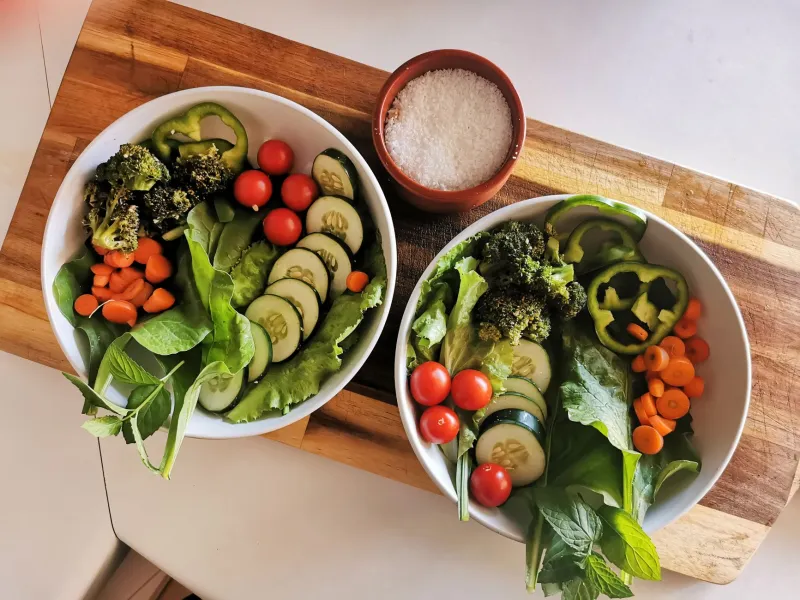
Ingredients like cucumbers (about 96% water), romaine lettuce (95%), tomatoes (94%), and zucchini (95%) don't just add crunch and color to your bowl. They deliver a slow, sustained release of fluid directly into your digestive tract as they break down. That gradual hydration helps keep the intestinal lining lubricated, supports the movement of food through your system, and reduces the kind of sluggishness that can follow a heavy, dry meal.
Contrast that with a bowl built almost entirely from cooked grains, dense protein, and roasted vegetables — all of which have lost significant moisture during cooking. Your gut has to work harder, and if you're not drinking enough water alongside that meal, absorption can slow down.
The Bioavailability Factor Nobody Talks About
Nutrient bioavailability is the percentage of a nutrient your body actually absorbs and uses, as opposed to what just passes through. It's influenced by a lot of variables — cooking method, food combinations, gut health — and hydration is one of the bigger ones that tends to get overlooked.
Take fat-soluble vitamins like A, D, E, and K. They need fat to absorb properly, which is why pairing spinach with olive oil or avocado makes nutritional sense. But they also need adequate fluid moving through your digestive system to be transported effectively once they've been absorbed through the intestinal wall. A well-hydrated gut environment supports that transport process.
Water-soluble vitamins — your B vitamins and vitamin C — are even more directly affected. They dissolve in water and are absorbed through the intestinal lining into the bloodstream. If you're mildly dehydrated at mealtime, or if your meal itself is providing very little fluid, that absorption process can be less efficient.
Leafy greens like arugula, watercress, and baby spinach are genuinely high in both water content and vitamin C. Adding a generous handful to your bowl isn't just a volume play — it's a bioavailability strategy.
Recovery Bowls Need More Than Protein
Post-workout nutrition gets simplified into a protein-and-carbs equation pretty quickly, and while that framework has merit, it skips over something important: you just lost fluid. A lot of it, depending on how hard you trained and how hot it was.
Eating a high-water-content meal after training is one of the most underrated recovery strategies out there. It contributes to rehydration in a way that feels natural and sustainable — your body absorbs water from food more gradually than it does from chugging a bottle, which can actually support steadier electrolyte balance.
Ingredients worth leaning on post-workout for their hydration contribution:
- Cucumber slices — light, fast to digest, and nearly all water
- Cherry tomatoes — high water content plus lycopene, an antioxidant that may help reduce exercise-induced inflammation
- Shredded cabbage — underrated for water content and surprisingly high in vitamin C
- Watermelon chunks — yes, in a savory bowl; the combination of water, natural sugars, and citrulline (an amino acid linked to reduced muscle soreness) makes it a legitimate recovery ingredient
- Sliced strawberries — about 91% water, plus antioxidants and potassium
None of these replace your protein source. They work alongside it, creating a bowl environment where your body can actually process and use what you're giving it.
Layering Strategy: Building a Bowl That Works From the Inside Out
Thinking about water content as a layer in your bowl — not just a side effect of ingredient choice — changes how you build one. Here's a practical approach:
Start with a hydrating base. Instead of always defaulting to a grain base, try a mix: half grains, half shredded leafy greens or spiralized zucchini. You get the carbohydrates you need without losing all the moisture.
Add raw or lightly cooked vegetables. Raw vegetables retain far more water than roasted ones. A handful of sliced radishes, cucumber ribbons, or fresh corn kernels adds hydration and crunch without making your bowl feel like a salad.
Choose sauces and dressings that contribute. Blended dressings made with yogurt, citrus juice, or fresh herbs add moisture in a flavorful way. Even a squeeze of lime over the top makes a difference in the overall water content of your meal.
Don't fear fresh fruit. Mango, pineapple, sliced peaches — these aren't just sweet accents. They're high-water additions that also bring natural enzymes (bromelain in pineapple, for example) that support protein digestion.
The Dry Bowl Isn't Bad — It Just Needs Balance
None of this is an argument against protein-dense, grain-forward bowls. Those are genuinely effective for fueling training and hitting macros. The point is that a bowl optimized purely for protein and calories, without any thought given to moisture content, may be leaving performance on the table.
Your body is roughly 60% water. Every system it runs — from muscle contraction to nutrient transport to cellular repair — depends on adequate hydration. When your food contributes meaningfully to that hydration, everything else in your bowl gets a better shot at doing its job.
So next time you're building your bowl, take a quick look at the color and texture variety. If everything on your plate is brown, beige, or deeply roasted, consider what a handful of something fresh and water-rich might add — not just to the flavor, but to how effectively your body actually uses the meal you worked to put together.