Time Your Plate Like a Pro: The Workout-Synced Bowl Formula That Actually Works
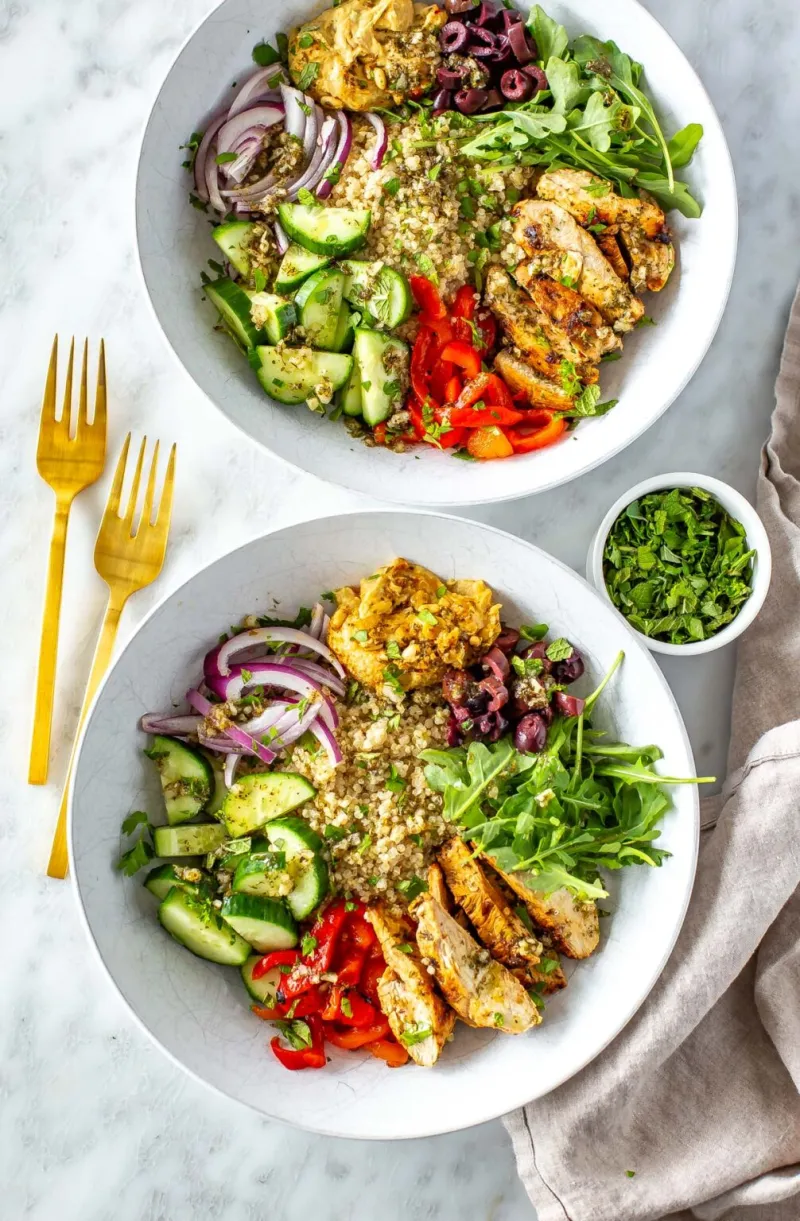
Photo: healthy grain bowl with grilled chicken and vegetables gym fitness nutrition, via thegirlonbloor.com
You've got your gym bag packed, your playlist queued, and your workout plan locked in. But here's the question most people skip right over: what's in your bowl before and after you train? Spoiler — it matters a lot more than you might think.
At FitBowl, we believe your kitchen and your gym are basically teammates. Nail the nutrition side, and everything from your energy levels to your recovery time improves dramatically. So let's get into the actual science — and the delicious bowls that make it easy to apply.
Why Workout Nutrition Deserves Its Own Strategy
Here's the deal: your body has very different needs depending on whether it's about to work hard or just finished working hard. Pre-workout nutrition is about fueling performance. Post-workout nutrition is about repair and adaptation. Treating both meals the same way is like using the same playlist for a warm-up and a cool-down — technically fine, but not optimized.
The good news? Once you understand the basic framework, building the right bowl becomes second nature.
The Macro Breakdown You Actually Need
Before we get into recipes, let's talk macros — because yes, carbs, protein, and fat all have a role to play, and none of them are the enemy.
Carbohydrates are your body's preferred fuel source during moderate-to-high intensity exercise. They replenish glycogen stores, keep your energy steady, and help prevent that dreaded mid-workout crash. Anyone who's told you to go low-carb before a training session probably wasn't running sprints.
Protein is the muscle-repair MVP. After exercise, your muscle fibers have microscopic tears that need amino acids to rebuild stronger. Research consistently shows that consuming 20–40 grams of high-quality protein within a couple of hours after training supports muscle protein synthesis — the process that actually makes you stronger over time.
Fat slows digestion, which makes it great for satiety but less ideal right before intense exercise. Keep fat moderate in your pre-workout bowl and a little higher in post-workout meals when recovery is the priority.
Pre-Workout Bowl Timing: The 1-2 Hour Window
Ideal pre-workout eating happens about 1 to 2 hours before you train. This gives your body enough time to digest without leaving you feeling sluggish on the squat rack. If you're eating closer to your session (30–45 minutes out), keep the bowl smaller and simpler — think easily digestible carbs and a modest amount of protein.
Pre-Workout Bowl #1: The Strength Session Starter
Best for: Heavy lifting, strength training
- 1 cup cooked brown rice
- 4 oz grilled chicken breast, sliced
- ½ cup roasted sweet potato cubes
- ¼ avocado
- Drizzle of low-sodium soy sauce and sesame seeds
Why it works: Complex carbs from rice and sweet potato provide sustained energy. Chicken delivers lean protein to prime muscle protein synthesis before you even hit the weights.
Pre-Workout Bowl #2: The Cardio Kickstart
Best for: Running, cycling, steady-state cardio
- ½ cup rolled oats (cooked)
- 1 banana, sliced
- 2 tbsp almond butter
- 1 tbsp honey
- Sprinkle of chia seeds
Why it works: Fast-digesting carbs from banana and honey give you quick-access fuel. Oats provide longer-lasting energy to carry you through longer sessions. Keep portions moderate here — too much fat right before cardio can cause GI discomfort.
Pre-Workout Bowl #3: The HIIT Prep Bowl
Best for: High-intensity interval training, CrossFit, circuit work
- ¾ cup cooked quinoa
- ½ cup black beans
- ½ cup roasted corn
- Salsa fresca
- Squeeze of lime, fresh cilantro
Why it works: HIIT demands explosive, repeated bursts of energy. Quinoa and black beans offer a combo of fast and slow carbs alongside plant-based protein — perfect for keeping you sharp through interval after interval.
Post-Workout Bowl Timing: The Recovery Window
You've probably heard about the "anabolic window" — that narrow post-workout period where nutrients are supposedly absorbed at superhuman rates. Modern research has loosened this up a bit. While eating within 30–60 minutes after training is still smart, you have a little more flexibility than old-school gym culture suggested. Aim to eat a solid recovery meal within 2 hours of finishing your session.
Post-workout, you want to prioritize protein for muscle repair and carbs to replenish glycogen. Fat can be a bit more generous here since digestion speed is less of a concern.
Post-Workout Bowl #4: The Muscle Builder
Best for: Strength training recovery
- 1 cup cooked farro
- 5 oz grilled salmon
- 1 cup steamed broccoli
- ¼ cup edamame
- Miso-ginger dressing
Why it works: Salmon brings omega-3 fatty acids that actively reduce exercise-induced inflammation, plus a solid protein hit. Farro and edamame round out the carb and amino acid profile beautifully.
Post-Workout Bowl #5: The Speedy Recovery Bowl
Best for: Cardio recovery, endurance athletes
- 1 cup white rice (faster-digesting post-workout)
- 4 oz shredded rotisserie chicken
- ½ cup roasted beets
- Handful of spinach
- Balsamic glaze
Why it works: White rice digests quickly to rapidly replenish glycogen stores — a priority after long cardio sessions. Beets are a recovery superfood, linked to reduced muscle soreness and improved blood flow.
Post-Workout Bowl #6: The Plant-Powered Rebuild
Best for: Vegan athletes, HIIT recovery
- 1 cup cooked lentils
- ½ cup roasted chickpeas
- Chopped kale, massaged with olive oil
- ¼ cup pickled red onion
- Tahini-lemon dressing
Why it works: Lentils and chickpeas together hit a surprisingly robust protein total — around 20–22 grams per serving. Kale adds iron and antioxidants. This bowl proves you don't need meat to recover like a champion.
Common Questions, Answered
Are carbs really the enemy around workouts? Absolutely not. Carbohydrates are your primary exercise fuel. Cutting them before training is like trying to drive across town on an empty tank. The key is choosing the right kind — complex carbs before, a mix of simple and complex after.
Does protein timing actually impact muscle gains? Yes, but not in the rigid, minute-by-minute way old gym lore suggested. Consistent daily protein intake matters most, but clustering protein around your workouts does support muscle synthesis. Think of it as giving your muscles the raw materials right when they're primed to use them.
What if I train first thing in the morning? Even a small pre-workout snack — a banana, a rice cake with peanut butter — beats training completely fasted for most people. Save your larger post-workout bowl for after you're done.
Build Your Bowl Around Your Goals
The beauty of the FitBowl approach is that there's no one-size-fits-all answer. Your ideal workout bowl depends on your training style, your body composition goals, and honestly, what sounds good to you. Use these recipes as a starting framework, swap ingredients based on your preferences, and pay attention to how your body responds.
Fuel smart, train hard, and let your bowl do some of the heavy lifting.