Chew on This: How Your Bowl's Texture Combo Is Quietly Controlling Your Hunger
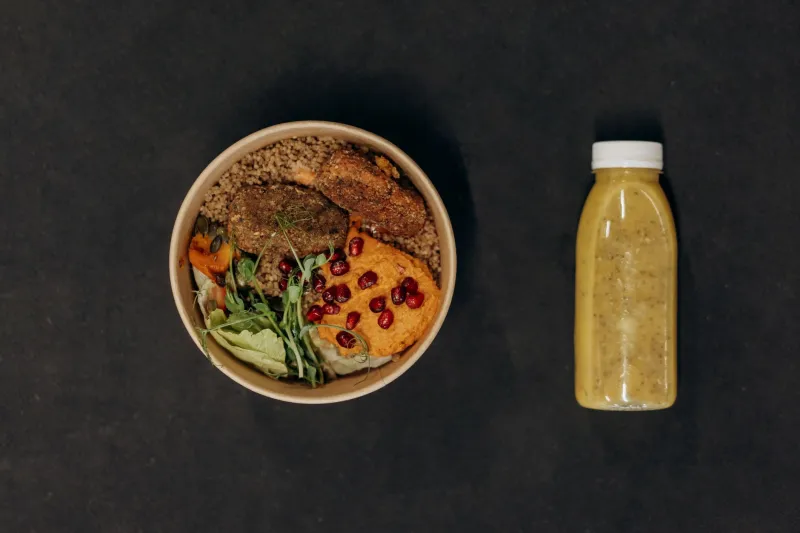
You've tracked the protein. You've balanced the carbs. You've even sprinkled on the seeds. But twenty minutes after finishing your bowl, you're rummaging through the pantry like you never ate at all. Sound familiar?
Here's something most nutrition advice skips right over: texture matters. Not just for enjoyment, but for the actual biological process of feeling satisfied. The mix of soft and crunchy in your bowl isn't just a culinary choice — it's a physiological one. And getting it wrong might be the reason your perfectly built bowl is leaving you hungry.
Your Mouth Is Doing More Work Than You Think
When you take a bite of food, your jaw, tongue, and salivary glands all kick into gear. Chewing isn't just mechanical — it's the opening act of digestion. Saliva contains amylase, an enzyme that begins breaking down carbohydrates before food even reaches your stomach. The longer and more thoroughly you chew, the more amylase gets released, and the more efficiently your body starts processing what you've eaten.
Here's where texture comes in. Soft foods — think overcooked grains, mashed sweet potato, or silky avocado — require very little chewing. They slide down fast. That might feel efficient, but it shortchanges the entire pre-digestive process. Your brain doesn't register satisfaction from food instantaneously; it takes roughly 15 to 20 minutes for fullness hormones like leptin and GLP-1 to signal that you've had enough. Eat too fast, and you'll blow past those signals entirely.
Crunchy foods, on the other hand, demand more jaw work. They slow you down. They generate more saliva. They give your brain time to catch up with your stomach.
The Problem With All-Soft Bowls
Smoothie bowls are a great example of this dynamic. They look gorgeous, they're loaded with nutrients, and they're wildly popular in the wellness space. But if your bowl is essentially a cup of blended fruit topped with more soft fruit and a drizzle of nut butter, you're consuming a meal that requires almost no chewing at all.
Research in food science has consistently shown that reduced oral processing time correlates with lower satiety ratings — even when caloric content is identical to a meal that requires more chewing. In plain terms: two bowls with the same number of calories can leave you feeling very differently full, depending on how much work your jaw had to do.
This is sometimes called the "texture effect" on satiety, and it's one of the most underappreciated levers in building a genuinely satisfying meal.
The Opposite Problem: Going Full Crunch
Before you start dumping granola and nuts on everything, it's worth noting that all-crunchy bowls come with their own issues. Extremely hard or dense textures can actually fatigue the jaw and, paradoxically, cause people to eat more quickly just to get through the meal. There's also less variety in the sensory experience, which means your brain gets bored fast.
Sensory-specific satiety is a real phenomenon — the idea that your appetite for a specific taste or texture diminishes as you eat more of it. A bowl with no textural variety becomes monotonous quickly, which can actually drive you to seek out other foods to scratch a sensory itch you didn't even know you had.
The sweet spot, it turns out, is contrast.
Why Contrast Is the Key
When soft and crunchy elements coexist in a bowl, something interesting happens. Each bite offers a different sensory experience, which keeps your attention engaged and your eating pace naturally modulated. You slow down for the crunch, you ease through the soft — and that rhythm gives your body the time it needs to start processing fullness signals.
There's also evidence suggesting that textural contrast may enhance flavor perception. When your senses are more engaged with what you're eating, you tend to feel more satisfied with less. It's the difference between mindlessly inhaling a bowl in four minutes and actually experiencing a meal.
Additionally, the mechanical action of chewing crunchy elements alongside softer ones may support better nutrient release from the softer ingredients. Thorough chewing breaks down cell walls in vegetables and grains, making nutrients more bioavailable — meaning your body can actually absorb and use more of what you're eating.
Building a Texture-Smart Bowl
So what does this actually look like in practice? It doesn't require a culinary degree or a spreadsheet. It just requires a little intentionality.
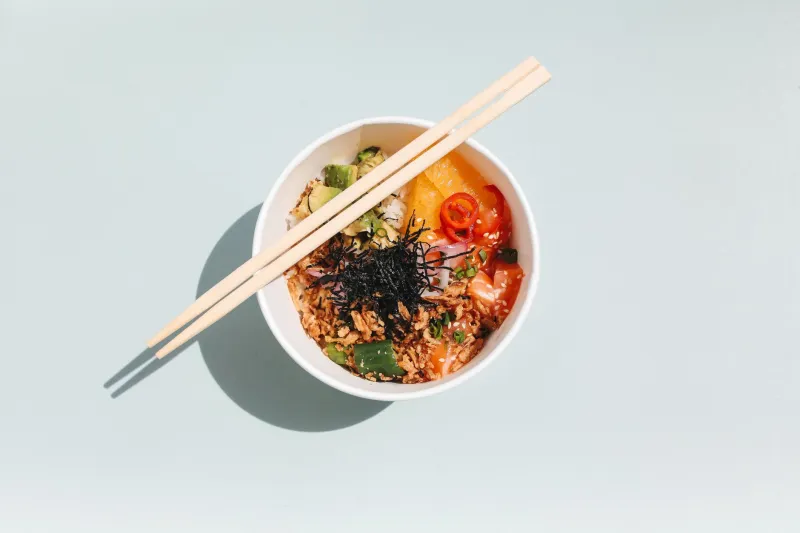
Start with a soft base, but don't stop there. Cooked grains like farro, brown rice, or quinoa give you a tender, chewy foundation without being completely mushy. Roasted vegetables add a slightly yielding texture with caramelized edges. These are your anchor.
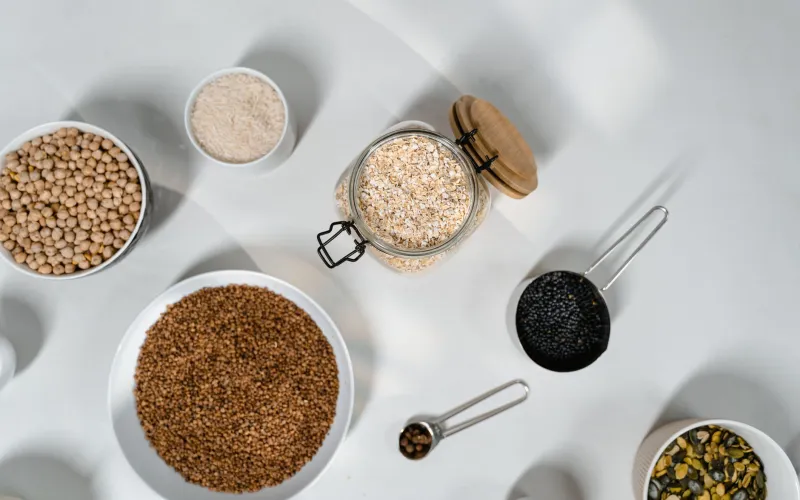
Add at least one genuinely crunchy element. This is non-negotiable if you want the satiety payoff. Think raw vegetables like shredded cabbage or sliced radishes, toasted seeds, roasted chickpeas, or a handful of nuts. These are the elements that will slow your eating pace and trigger more thorough oral processing.
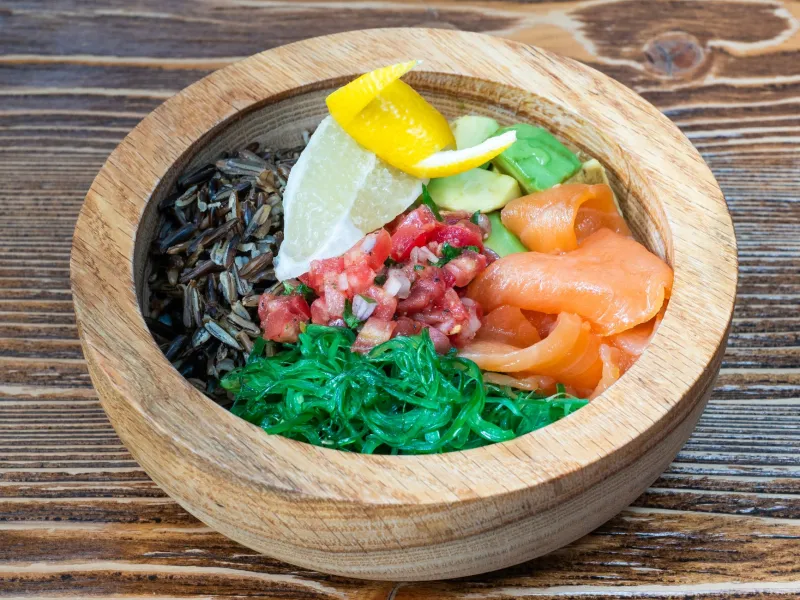
Use soft toppings strategically, not as the bulk of the bowl. Avocado, hummus, tahini, or a soft-boiled egg are excellent additions, but they work best as accent elements rather than the primary texture. When they're piled on top of other textures rather than replacing them, they add richness without pulling you back into the all-soft trap.
Consider the temperature layer too. Warm grains with cool, crisp raw toppings aren't just a textural contrast — they're a temperature contrast, and that added sensory dimension further engages your attention during eating.
A Simple Framework to Use Every Time
If you want a quick mental checklist for building a texture-balanced bowl, think in thirds:
- One-third soft or tender — cooked grains, roasted vegetables, legumes
- One-third chewy or firm — proteins like grilled chicken or tempeh, hearty greens like kale or shredded Brussels sprouts
- One-third crunchy — raw vegetables, seeds, nuts, crispy elements like roasted chickpeas or whole-grain croutons
This isn't a rigid formula, but it gives you a sensory foundation that covers the full spectrum. When all three are present, your eating pace slows naturally, your brain has time to receive fullness signals, and your overall satisfaction tends to be higher — without adding a single extra calorie.
The Takeaway
Nutrition isn't only chemistry. It's also sensory experience. The way your food feels in your mouth directly influences how long you chew it, how much saliva you produce, how quickly you eat, and ultimately how full you feel when you're done.
If your bowls are leaving you unsatisfied despite solid macros, it might not be what's in the bowl that's the problem — it might be the texture of it. A little strategic crunch could be the simplest upgrade your meal routine hasn't tried yet.