Full Stomach, Still Hungry: The Brain-Body Disconnect Sabotaging Your Bowl
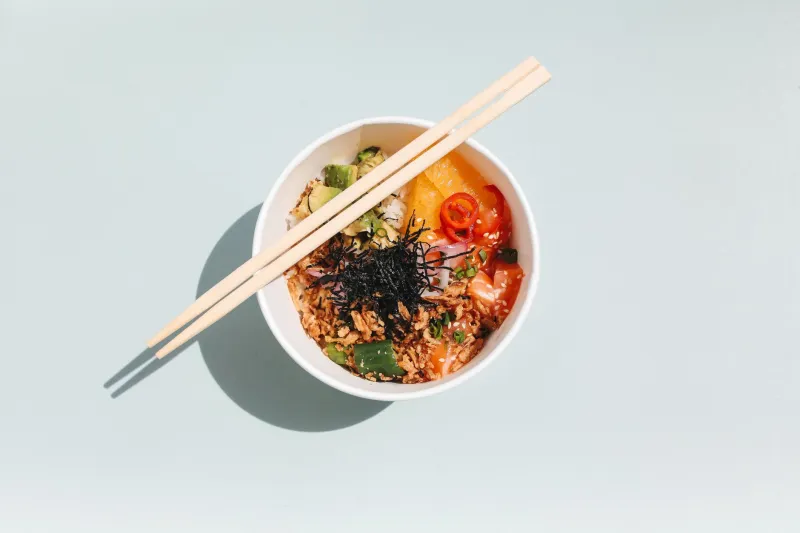
You Ate. So Why Are You Still Hungry?
It happens to the best of us. You build what looks like a solid, filling bowl — grains, vegetables, maybe some protein — eat the whole thing, and feel genuinely full. Then, sixty minutes later, you're staring into the fridge like something went wrong. Nothing went wrong with your discipline. Something went wrong with your bowl's chemistry.
Physical fullness and genuine satiation are two very different things, and most people — even the health-conscious ones — never learn to tell them apart. Your stomach can be at capacity while your brain is still waving a hunger flag. Understanding that gap is one of the most underrated skills in nutrition, and once you get it, building a bowl that actually keeps you satisfied becomes a lot more intuitive.
Your Hunger Isn't Just About Volume
The stomach stretching sensation you feel after eating is real, but it's only one piece of the satiety puzzle. True satisfaction — the kind that keeps cravings quiet for three or four hours — depends heavily on two hormones: ghrelin and leptin.
Ghrelin is often called the hunger hormone. It rises before meals, nudges you to eat, and ideally drops after you've eaten enough of the right things. Leptin, on the other hand, is produced by fat cells and signals your brain that energy stores are adequate. When leptin signaling works well, you feel satisfied. When it doesn't, your brain keeps pushing the hunger button regardless of what's in your stomach.
Here's the catch: calorie count alone doesn't reliably suppress ghrelin or support leptin signaling. A 600-calorie bowl of refined carbs might spike your blood sugar, stretch your stomach temporarily, and still leave your hunger hormones essentially untouched. Meanwhile, a 500-calorie bowl built with the right combination of protein, fat, and fiber can quiet those hormones for hours. Same ballpark of calories. Completely different experience afterward.
The Ingredients That Actually Signal Your Brain
So what does your brain actually respond to? Let's break it down.
Protein is the heavy hitter. Of all the macronutrients, protein has the strongest effect on ghrelin suppression. Studies consistently show that higher-protein meals lead to lower post-meal ghrelin levels compared to carb- or fat-heavy meals of equal calories. For your bowl, this means prioritizing a solid protein base — think grilled chicken, lentils, edamame, Greek yogurt-based dressings, or hard-boiled eggs — rather than treating protein as a garnish.
Dietary fat slows everything down — in a good way. Fat triggers the release of a gut hormone called CCK (cholecystokinin), which signals the brain to ease up on hunger. Healthy fats from avocado, olive oil, tahini, or a handful of nuts don't just add flavor; they extend the window between your meal and your next hunger signal. Skipping fat in the name of cutting calories often backfires here.
Fiber is the long game. Soluble fiber — found in oats, legumes, chia seeds, and certain vegetables — absorbs water and forms a gel in your digestive tract that slows digestion and keeps you fuller longer. Insoluble fiber adds bulk. Together, they create a sustained release effect that keeps blood sugar stable and hunger hormones in check. A bowl that's heavy on fiber isn't just filling your stomach; it's actively communicating with your gut and brain.
The Combos That Trick You Into Thinking You're Satisfied
Not all bowl ingredients are created equal when it comes to lasting satiety. Some combinations create what you might call a fullness illusion — they feel great in the moment but set you up for a hunger crash.
High-glycemic carbs without fat or protein are the biggest offender. A grain bowl built primarily on white rice or refined bread with just vegetables might feel substantial going down, but the rapid blood sugar spike and subsequent drop will have ghrelin climbing again well before your next meal is due.
Low-fat, low-protein salad bowls are another sneaky trap. Leafy greens are fantastic, but volume alone doesn't satisfy the brain. If your bowl is mostly lettuce, cucumber, and a light vinaigrette, you're stretching your stomach without triggering the hormonal signals that actually tell your brain you're done.
Liquid calories in the bowl — like heavy broth bases or calorie-dense dressings — don't trigger the same stretch receptors as solid food and often don't suppress ghrelin as effectively. Use them thoughtfully rather than as a calorie vehicle.
Building a Bowl Your Brain Will Actually Thank You For
Once you understand the hormonal side of hunger, the blueprint for a truly satisfying bowl gets pretty clear.
Lead with protein. Aim for at least 25-30 grams in your bowl. This isn't about hitting a bodybuilder target — it's the threshold research suggests is most effective for ghrelin suppression in a single meal.
Add a fat source intentionally. Not a drizzle — an actual serving. Half an avocado, a tablespoon of tahini, a small handful of walnuts. This is where a lot of health-focused eaters undercut themselves by going too lean.
Layer in two types of fiber. Combine a legume or whole grain (soluble fiber) with fibrous vegetables like broccoli, artichoke hearts, or Brussels sprouts (insoluble fiber). The combination is more effective than either alone.
Watch your glycemic load. If you're using a grain base, opt for lower-glycemic options like quinoa, farro, or barley over white rice when possible. Or bulk up white rice with cauliflower rice to lower the overall glycemic impact without sacrificing volume.
Don't skip the chew factor. Texture matters more than most people realize. Foods that require more chewing — raw vegetables, whole grains, fibrous proteins — slow eating pace and give satiety signals more time to reach the brain before you've overeaten or under-eaten.
The Bigger Picture
This isn't about eating less or counting every macro to the decimal. It's about understanding that your body is running a complex communication system between your gut, your hormones, and your brain — and your bowl either supports that system or works against it.
When you build with protein, fat, and fiber at the center rather than as afterthoughts, you stop fighting your hunger and start working with it. That's when eating a bowl stops being a temporary fix and starts being a genuinely satisfying experience that carries you through your day — not one that leaves you hunting for snacks before you've even washed the dishes.