Drinking Water With Your Bowl Might Be Working Against You
You probably already know hydration matters. You've got the water bottle, maybe a hydration app, possibly an electrolyte packet stash in your gym bag. But here's the thing most fitness-focused eaters overlook: when you drink relative to your meals can either support or quietly sabotage the nutrient value of every bowl you build.
This isn't about fear-mongering or adding another rule to your already packed wellness routine. It's about understanding a real physiological process so you can make a small timing adjustment that pays off in a big way.
What Actually Happens When You Eat and Drink at the Same Time
Your digestive system is basically a finely tuned chemistry lab. When food hits your stomach, it triggers the release of hydrochloric acid and digestive enzymes — the workhorses that break down proteins, release minerals from their food matrix, and prep nutrients for absorption in your small intestine.
Here's where hydration timing gets interesting. Drinking large amounts of water immediately before or during a meal can dilute that stomach acid and slow enzyme activity. For most healthy adults, this isn't a catastrophic problem — your body compensates. But if you're someone who's already working with lower stomach acid (which is more common than people think, especially under chronic stress or with age), that dilution effect becomes more significant.
The minerals most affected? Iron, zinc, calcium, and magnesium — the exact micronutrients fitness-focused eaters depend on for muscle function, recovery, and energy metabolism. These minerals require a well-acidified stomach environment to become bioavailable. When that environment is watered down, literally, absorption efficiency drops.
The Bowl Connection
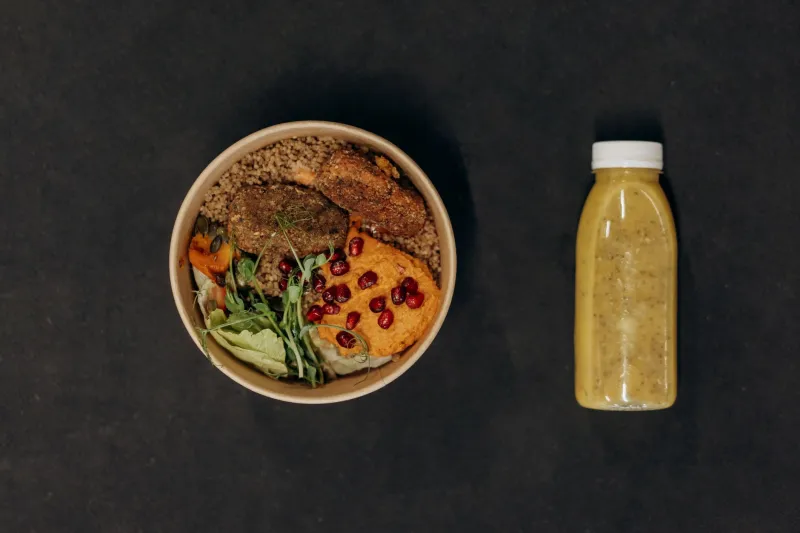
If you're building performance bowls with iron-rich ingredients like lentils, spinach, or pumpkin seeds, or loading up on calcium from tahini and fortified grains, you're putting real effort into your nutrition. Washing all of that down with 16 ounces of ice water mid-meal isn't exactly helping your cause.
Same goes for fat-soluble vitamins — A, D, E, and K — which need dietary fat to absorb properly. While water doesn't directly interfere with fat absorption, excessive liquid intake during meals can speed up gastric emptying, meaning food moves through your stomach faster and spends less time in contact with digestive enzymes. Less enzyme contact, less breakdown, less absorption.
The irony is that many fitness enthusiasts are meticulous about what goes into their bowls and completely unaware of how their drink-while-you-eat habit is reducing the return on that nutritional investment.
So When Should You Actually Hydrate?
This is where it gets practical. The goal isn't to stop drinking water — dehydration is a far bigger problem than slightly diluted stomach acid. The goal is smarter timing.
Before your meal: Aim to drink most of your water 20–30 minutes before eating. This actually supports digestion by priming your gut lining and ensuring your body isn't trying to pull fluid from tissues to support digestive processes. A glass of water before your bowl is genuinely useful.
During your meal: Small sips are fine. We're not talking about a strict no-liquid rule here. If you need to sip to help swallow or you're eating something particularly dry, go for it. The issue is gulping down a full glass or more while actively eating.
After your meal: Wait about 30–45 minutes before resuming heavy water intake. By that point, your stomach has done the initial breakdown work and nutrient absorption is well underway in the small intestine. Hydrating after that window supports the process rather than interrupting it.
What About Hydrating Foods in Your Bowl?
Here's some good news: the water content naturally present in whole foods doesn't carry the same risks as drinking a glass of water alongside your meal. Cucumbers, tomatoes, leafy greens, watermelon — these foods release their water slowly as they're digested, which actually supports the digestive process rather than diluting it.
This is one of the underrated advantages of building water-rich bowls. You're getting hydration with food in a format your body handles really well. It's integrated hydration, not a flood of liquid hitting your stomach all at once.
So if you're building a bowl loaded with romaine, shredded cabbage, cucumber, and a salsa-based dressing, you're already getting meaningful fluid intake without the absorption tradeoff.
Electrolytes Change the Equation
One more nuance worth knowing: not all fluids affect digestion the same way. Plain water is the main concern when it comes to diluting stomach acid. Beverages that contain electrolytes — especially sodium and potassium — have a slightly different effect on gastric function and don't dilute digestive juices to the same degree.
This is part of why some athletes find that sipping a light electrolyte drink during a meal feels better than plain water. It's not just anecdotal. Electrolytes help maintain the osmotic environment in your gut, which supports rather than disrupts digestion.
That said, this isn't a green light to chug sports drinks with every bowl. Many commercial electrolyte products are loaded with sugar or artificial ingredients that create their own issues. A small pinch of sea salt in your water or a low-sugar electrolyte option is a smarter move if you want to hydrate during meals without the downside.
Building a Hydration Routine That Works With Your Bowl Habit
Here's a simple framework that works for most people:
- Morning bowl days: Drink 8–12 oz of water when you wake up, then hold off on heavy drinking for 20–30 minutes before your bowl. Sip lightly during the meal if needed.
- Post-workout bowls: Rehydrate aggressively before you eat — your body needs fluid after training. Then give yourself a 15–20 minute buffer before digging into your bowl so your digestive system can settle.
- Evening bowls: You've likely had plenty of fluids throughout the day. A small glass of water 20–30 minutes before dinner is plenty. Focus on savoring your bowl rather than drinking through it.
The Bigger Picture
None of this is about perfection. If you've been chugging water through every meal for years and feel great, your body may be compensating just fine. But if you've been eating high-quality, nutrient-dense bowls and still feel like your energy, recovery, or bloodwork isn't reflecting that effort, hydration timing is a low-effort variable worth experimenting with.
The whole point of building intentional bowls is to actually get the nutrition you're putting into them. Dialing in when you drink is one of the simplest, zero-cost ways to make sure that's happening. Small shift, real results.