Does the Order You Eat Your Bowl Actually Matter? The Science Says Yes
Most of us think about bowl-building as a stacking game — layer in the greens, add your grain, top it with protein, drizzle the sauce, done. The logic has always been about what goes in. But a growing body of research is pointing to something a lot of people haven't considered: the sequence in which you eat those ingredients might matter just as much as the ingredients themselves.
This concept, called nutrient sequencing, is starting to get serious attention from dietitians and sports nutrition researchers alike. And for anyone trying to optimize energy, manage hunger, or get more out of their workouts, it's worth understanding.
What Nutrient Sequencing Actually Means
Nutrient sequencing is exactly what it sounds like — eating the components of a meal in a deliberate order rather than just shoveling everything together. The core idea is that the digestive system doesn't process all macronutrients the same way, and the order in which nutrients hit your gut can influence how quickly glucose enters your bloodstream, how much insulin your pancreas releases, and how long you stay full afterward.
A landmark study published in Diabetes Care found that when participants with type 2 diabetes ate vegetables and protein before carbohydrates — even within the same meal — their post-meal blood glucose levels were significantly lower compared to when they ate the carbs first. We're talking about the same foods, same total calories, just a different order. The blood sugar difference was notable enough that researchers flagged it as a meaningful dietary intervention.
For people who aren't managing diabetes, the implications are still relevant. Steadier blood sugar after a meal typically means fewer energy crashes, less afternoon brain fog, and a reduced likelihood of reaching for a snack an hour later.
The Fiber-First Principle
Here's the mechanism worth understanding: fiber, particularly the soluble kind found in vegetables like spinach, broccoli, edamame, and shredded cabbage, forms a kind of viscous layer in your digestive tract. When this layer is already present before carbohydrates arrive, it literally slows the absorption of glucose into the bloodstream.
Think of it like a speed bump for sugar. If your gut hits fiber first, the carbs that follow get absorbed more gradually, which means a gentler insulin response and more sustained energy instead of a spike-and-crash cycle.
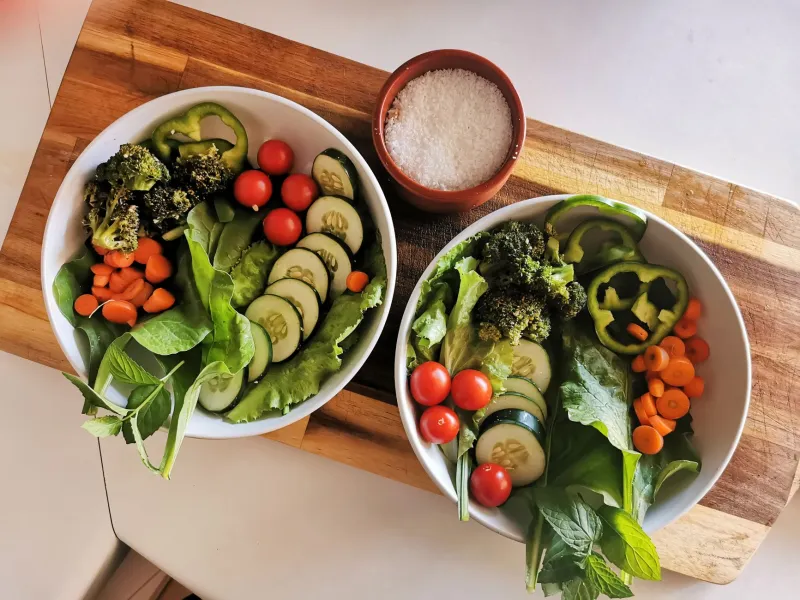
For bowl builders, this translates to a simple starting move: eat your greens and raw or lightly cooked vegetables before you dig into the grains or starchy toppings. That means the kale base, the cucumber slices, the shredded carrots — those go in your mouth first, not just in your bowl first.
Protein in the Middle: Why It Matters for Satiety
Once you've worked through the fiber layer, protein is your next move. Research consistently shows that protein stimulates the release of satiety hormones — particularly GLP-1 and PYY — which signal to your brain that you're getting full. When protein is consumed after vegetables but before the carbohydrate-dense components of a meal, it amplifies that fullness signal before the more calorie-dense portion of your bowl even hits your system.
This is especially useful for anyone managing calorie intake without wanting to feel deprived. Eating your grilled chicken, tofu, tempeh, or hard-boiled eggs in the middle of the meal — after the greens but before the rice or quinoa — can naturally lead to eating slightly less of the starchy components simply because your satiety cues are already firing.
For performance-focused eaters, there's another angle here. Protein consumed mid-meal still contributes to muscle protein synthesis post-workout, but the sequencing helps ensure you're not riding a blood sugar roller coaster during the hours that matter most for recovery.
Carbs Last: Not Cutting Them, Just Timing Them
This is the part that sometimes gets misread. Nutrient sequencing is not a low-carb strategy. The carbohydrates in your bowl — brown rice, farro, sweet potato, whole grain noodles — are still there, still important, and still eaten. The shift is simply that they come at the end of the eating sequence, after fiber and protein have already started doing their work.
By the time those carbs hit your digestive system, the fiber has laid down its buffering layer and your hunger hormones are already trending toward satisfied. The result is a more measured glucose response and, for workout-focused eaters, a steadier stream of fuel rather than a quick flood followed by a crash.
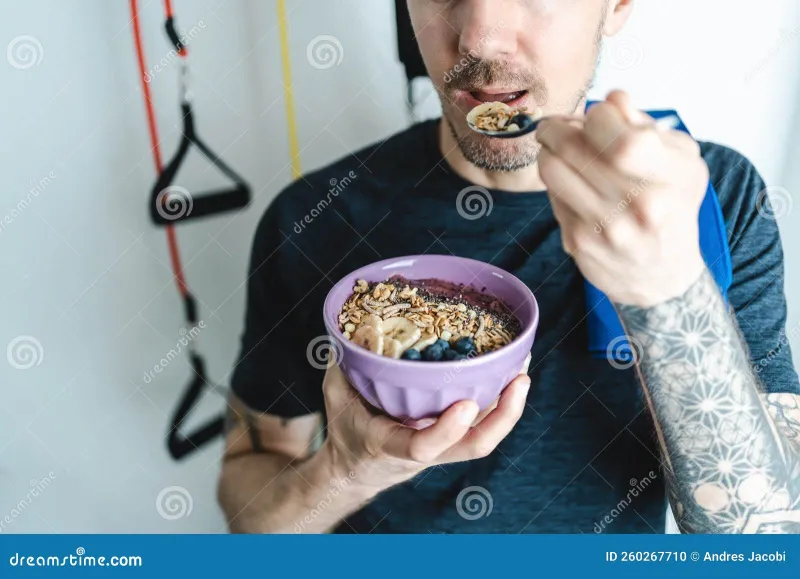
If you're eating a pre-workout bowl, this approach can help you avoid the mid-session energy dip that comes from a rapid blood sugar spike followed by an equally rapid drop. If it's a post-workout bowl, the sequencing supports recovery without overloading your system with fast-digesting carbs when your body is already working hard to repair tissue.
Building a Sequencing-Friendly Bowl
Here's what this actually looks like in practice — no complicated rules, just a loose framework:
Start with: Raw or lightly dressed greens, raw vegetables, fermented toppings like kimchi or pickled veggies. These are your fiber anchors.
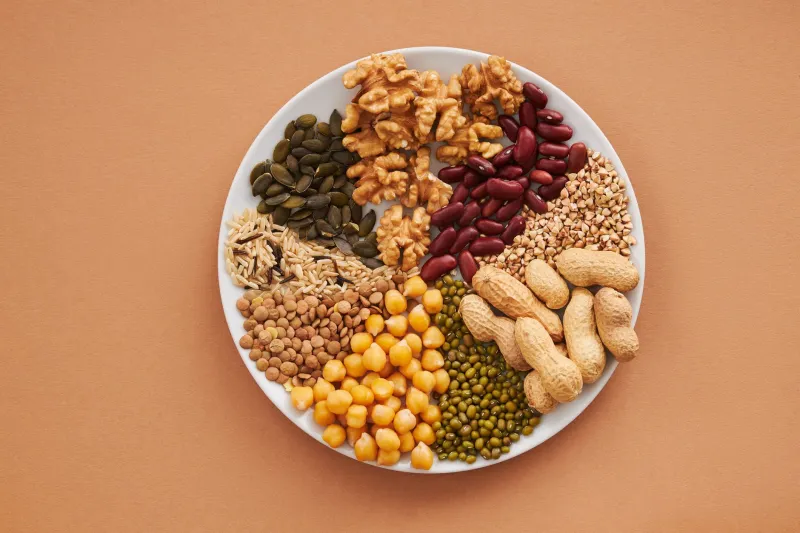
Move to: Your protein source — chicken, salmon, tofu, edamame, beans, eggs. Eat a meaningful portion before moving on.
Finish with: Your grain or starchy base — rice, quinoa, sweet potato, lentils. Also a good moment for healthy fats like avocado or a tahini drizzle, which further slow digestion.
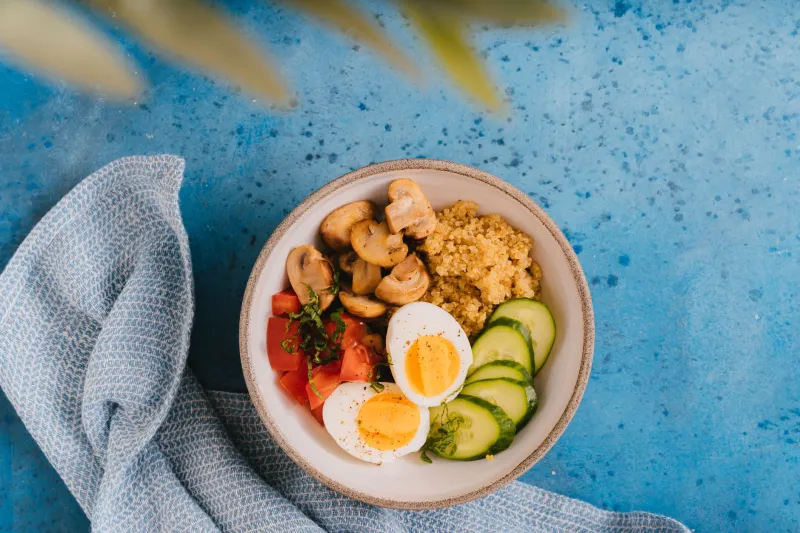
One practical note: this works best when your bowl components are somewhat separated or easily distinguishable rather than completely mixed together. You don't need to be rigid about it, but if everything is mashed into one uniform texture, sequencing becomes harder to execute. Building your bowl with distinct sections — greens on one side, grain on the other, protein in the middle — makes it easy to eat in order without thinking too hard about it.
A Small Shift With Real Payoff
Nutrient sequencing isn't a magic bullet, and it's not going to replace the fundamentals of eating well — quality ingredients, adequate protein, plenty of fiber, enough hydration. But as an add-on strategy for people who already have those basics dialed in, it's a genuinely low-effort upgrade.
You're already eating a bowl. You've already done the work of putting good stuff in it. Changing the order you eat it costs nothing and takes no extra prep time. If it means steadier energy through your afternoon, a more controlled appetite going into dinner, or a better-fueled workout, that's a pretty solid return on a small behavioral tweak.
Next time you sit down with your FitBowl, try starting at the edges with the greens, working toward the protein, and saving the grain base for last. It might feel a little counterintuitive at first — most of us are trained to just mix everything together — but give it a few meals. Your body might have some feedback worth listening to.