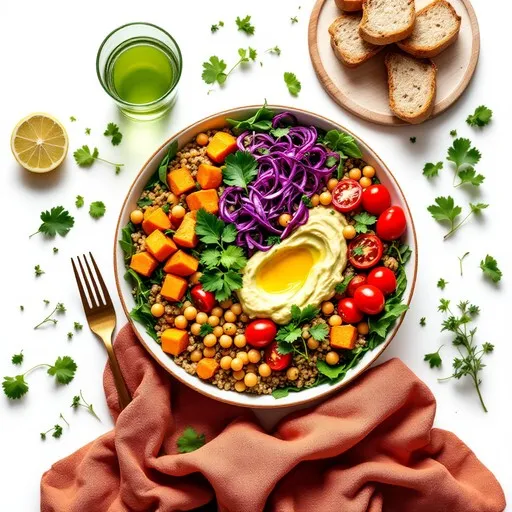
Freeze Smarter, Eat Better: The Complete Bowl Prep System That Saves Your Whole Week
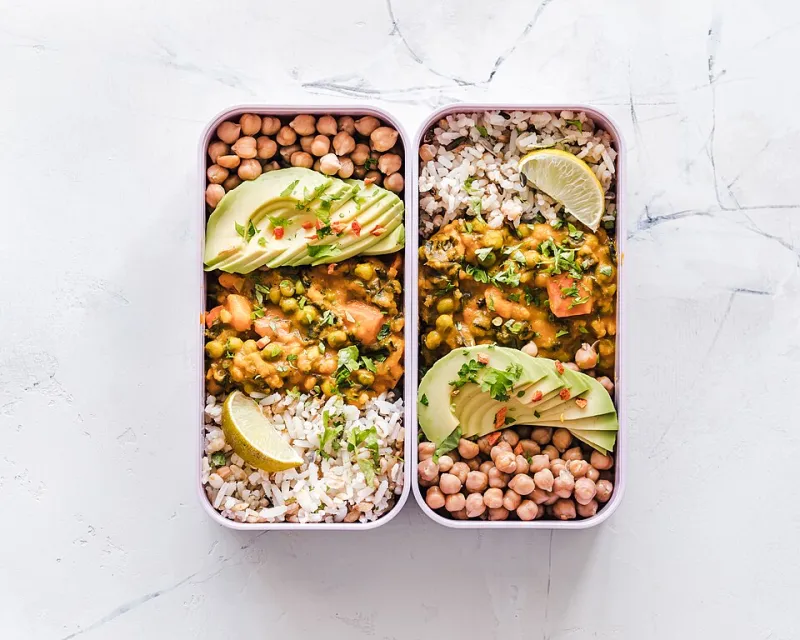
Photo: Ella Olsson from Stockholm, Sweden, CC BY 2.0, via Wikimedia Commons
Sunday meal prep has a great reputation and a pretty common failure mode. You spend two hours in the kitchen, feeling incredibly productive, and by Wednesday your carefully assembled bowls are either soggy, boring, or both. Sound familiar?
The problem usually isn't effort — it's strategy. Specifically, most people don't know which bowl components actually hold up in the freezer, how to store them so they don't turn to mush, or how to reheat them without losing everything that made them worth eating in the first place.
Let's fix that. Here's a practical, no-fluff guide to freezing your bowl components the right way so that weekday meals feel almost as good as freshly made ones.
Why the Freezer Is Your Best Meal Prep Tool (When Used Correctly)
The fridge is great for three to four days. After that, things start to slide. Grains get dry, proteins get weird, and vegetables lose that just-cooked quality that makes a bowl actually enjoyable. If you want consistency across a full week — or want to get ahead by two or three weeks — the freezer is where it's at.
The catch is that not everything freezes equally. Water content, fat content, and cell structure all affect how an ingredient survives the freeze-thaw cycle. Once you understand the basic rules, you can build a batch prep system that genuinely works instead of one that just technically functions.
The Freezer-Friendly Tier List
Grains: Freeze them, always.
Cooked grains are the MVP of freezer meal prep. Brown rice, quinoa, farro, barley, and even cauliflower rice all freeze beautifully. Spread them out on a sheet pan to cool completely before portioning into zip-lock bags or airtight containers. Freeze flat so they stack easily and thaw faster. A single Sunday grain session can set you up for three to four weeks of bases.
Pro move: freeze individual portions (about a cup each) so you're pulling exactly what you need rather than chipping away at one giant frozen block.
Proteins: Mostly yes, with a few exceptions.
Cooked chicken breast, ground turkey, shredded beef, and baked tofu all freeze well. Salmon and other fatty fish can freeze too, though the texture softens a bit more noticeably — still totally fine in a bowl context where it's mixed with other components. Hard-boiled eggs, on the other hand, do not freeze well. The whites turn rubbery and strange. Keep those fresh.
For tofu specifically: pressing and freezing it actually improves the texture. Frozen tofu becomes chewier and more porous, which means it soaks up marinades and sauces better when you thaw and cook it. This is a technique worth trying if you're plant-based or just tofu-curious.
Roasted Vegetables: Yes, with realistic expectations.
Root vegetables — sweet potatoes, beets, carrots, butternut squash — freeze and reheat really well. They're dense, low in water content, and hold their shape after thawing. Broccoli and cauliflower work fine too, especially if you slightly undercook them before freezing (they'll finish cooking during reheating).
High-water vegetables are a different story. Zucchini, cucumber, raw tomatoes, and leafy greens do not freeze well and will turn into watery disappointment. Keep those fresh and add them at assembly time.
Sauces and Dressings: Freeze the bases, not everything.
Thick, oil-based sauces like tahini blends, pesto, and miso-ginger dressings freeze surprisingly well in ice cube trays. Pop them out once frozen and store in a bag. Pull one or two cubes per bowl as needed. Creamy dressings made with dairy or mayo tend to separate after freezing — make those fresh or keep them refrigerated.
Toppings: Keep these fresh.
Fresh herbs, avocado, crunchy seeds, pickled vegetables, and cheese are all best added right before eating. These are your assembly-day additions, not your freezer candidates.
The Layering and Storage System That Actually Works
Once you know what to freeze, the next piece is storage strategy. This is where a lot of people lose the game.
Invest in a set of uniform, stackable containers. It sounds basic, but mismatched containers are a real obstacle to consistency. Being able to stack neatly in your freezer makes it easier to see what you have and actually use it.
Label everything. Seriously. Frozen grains and frozen cauliflower rice look identical after two weeks. A piece of masking tape and a marker takes ten seconds and saves real frustration.
For a complete bowl kit approach, try this: use a larger container or a gallon bag and layer in a portion of grain, a portion of protein, and a portion of roasted veg together. When you're ready to eat, pull one kit, reheat it, and just add your fresh toppings. This removes all decision fatigue on busy weeknights and keeps your eating consistent without requiring any real effort.
Reheating Without Ruining Everything
This is the step that makes or breaks frozen meal prep. Bad reheating is why people give up on the whole system.
For grains and proteins, a splash of water before microwaving makes a huge difference. Cover the container loosely and heat in 60-second intervals, stirring between each. This prevents the dry, rubbery texture that gives microwaved meal prep a bad name.
For roasted vegetables, the oven or an air fryer is almost always better than the microwave. Five to eight minutes at 375°F brings back some of that roasted texture that microwaving will flatten out. If you're short on time, the microwave works — just know you're trading some texture for speed.
For sauces, thaw in the fridge overnight or place the frozen cube in a small bowl and let it sit at room temperature for 20 to 30 minutes before assembly. Heating tahini-based sauces in the microwave can cause them to seize up, so gentle thawing is worth it.
Turning Sunday Into a Real System
Here's what an efficient two-hour Sunday prep session can look like with this framework in place:
Get two or three grains going simultaneously — rice cooker for one, stovetop for another. While those cook, roast two sheet pans of vegetables at once. Season two or three proteins and cook them in batches. Make a double batch of your favorite sauce and portion it into an ice cube tray.
By the time you're done, you've got components for eight to twelve bowls ready to go into the freezer. That's two to three weeks of weekday lunches or dinners handled before Monday even starts.
Batch prepping isn't about being a meal planning perfectionist. It's about removing the friction between knowing what you should eat and actually eating it. With the right freezer strategy, healthy bowls stop being a Sunday project and start being a Tuesday non-event — and that's exactly where you want them to be.