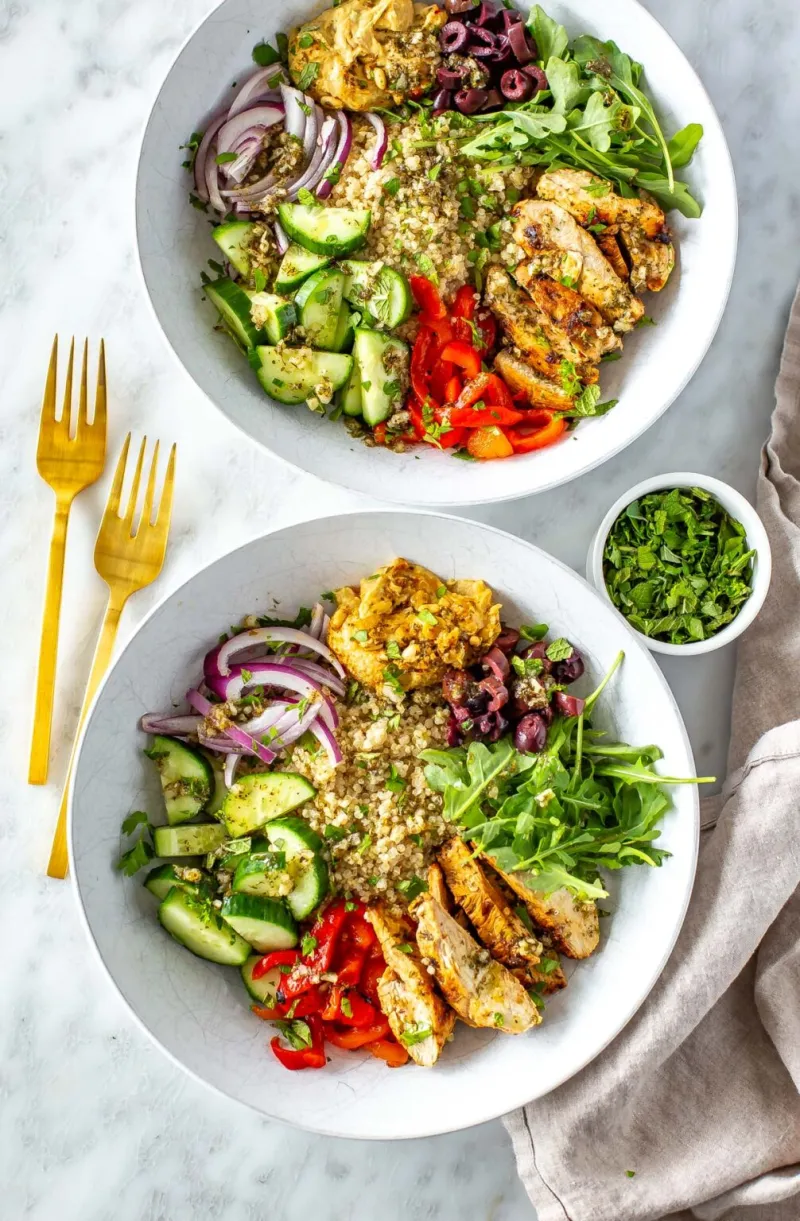
Five Ingredients, One Powerhouse Bowl: A No-Guesswork Guide to Nutrient Density
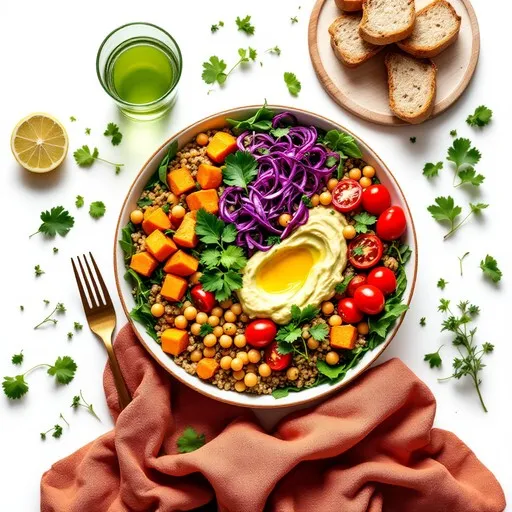
Photo: colorful healthy grain bowl with greens avocado chickpeas and seeds overhead view, via images.stockcake.com
Somewhere between the $18 açaí bowls at trendy wellness cafés and the sad desk salad that leaves you hungry by 2 p.m., there's a better way to eat. A way that doesn't require exotic imports, complicated macros tracking, or a second mortgage to afford your lunch.
The secret? Five ingredient categories. That's it. When you understand what each one brings to the table — and how they work together — building a bowl that's genuinely nourishing becomes almost automatic. No guesswork, no expensive superfoods required.
Here's your FitBowl blueprint.
1. Greens: Your Micronutrient Foundation
Every great bowl starts with a base that pulls nutritional weight without adding much caloric load. Leafy greens and raw or lightly cooked vegetables are your most efficient tool for hitting micronutrient targets — vitamins, minerals, antioxidants, and fiber — all in one layer.
Nutrient density in action: Spinach delivers iron, magnesium, and folate. Kale brings vitamins K and C. Arugula adds calcium and a peppery bite. Even shredded purple cabbage — one of the most underrated budget picks in the produce aisle — offers vitamin C and anthocyanins that support inflammation reduction.
You don't need to spend $6 on a bag of micro-greens (though they're genuinely impressive if you find them on sale). A big handful of baby spinach or romaine from a standard grocery bag does the job beautifully.
Seasonal picks: Spring and summer bring butter lettuce, watercress, and fresh herbs like basil. Fall and winter are peak season for kale, Swiss chard, and roasted broccolini — all of which hold up under warm bowl toppings without wilting into mush.
Budget swap: Frozen spinach, thawed and squeezed dry, is nutritionally comparable to fresh and costs a fraction of the price. Use it as a warm base under grains and proteins.
2. Proteins: Quality Over Quantity
As we've established elsewhere on FitBowl, more protein isn't always the goal. What matters here is choosing sources that bring more than just amino acids to your bowl — proteins that also carry micronutrients, healthy fats, or gut-friendly compounds.
High nutrient density proteins to rotate:
- Canned salmon or sardines — omega-3 fatty acids, vitamin D, calcium (from soft bones), and B12 in one affordable can
- Lentils — plant-based protein plus iron, folate, and prebiotic fiber; one cup cooked delivers about 18 grams of protein
- Hard-boiled eggs — choline for brain health, selenium, and a complete amino acid profile
- Edamame — one of the few plant foods that's a complete protein, also rich in vitamin K and manganese
- Greek yogurt — works as both a protein layer and a creamy dressing base; loaded with probiotics and calcium
Budget swap: Canned chickpeas cost under a dollar per can and pack protein, fiber, and zinc. Roast them with a little olive oil and smoked paprika for a crunchy topping that earns its place in every bowl.
Seasonal note: In summer, grilling a batch of chicken thighs or tofu on the weekend and storing them for the week is one of the most cost-effective moves you can make for your meal prep game.
3. Whole Grains: Sustained Energy, Not Empty Carbs
The grain layer is where a lot of people make an accidental mistake — they either skip it entirely in the name of "low carb," or they default to white rice out of habit. Both miss the point. Whole grains bring complex carbohydrates for sustained energy, B vitamins, and minerals that refined grains have stripped away.
Top performers by nutrient density:
- Farro — one of the highest-fiber ancient grains, with a chewy texture that holds up beautifully in bowls
- Quinoa — technically a seed, but functions like a grain; complete protein, high in magnesium and iron
- Brown rice — affordable, filling, and a solid source of manganese and selenium
- Barley — beta-glucan fiber supports cholesterol management; great for heartier winter bowls
- Millet — gluten-free, mild in flavor, and underused; high in phosphorus and B vitamins
Budget swap: Brown rice in bulk from a warehouse store like Costco or Sam's Club is one of the best per-serving values in the grain world. Cook a big pot on Sunday and you've got your grain base sorted for the week.
Seasonal note: Warm grain bases (farro, barley, brown rice) shine in fall and winter bowls. In summer, try chilled quinoa or farro — they work just as well at room temperature and make meal prep feel lighter.
4. Healthy Fats: The Absorption Amplifier
This category does double duty. Yes, healthy fats keep you full and support hormone production. But their underrated superpower is nutrient absorption — specifically, fat-soluble vitamins A, D, E, and K can't be properly absorbed without dietary fat present. That means the kale in your bowl is working harder when you've got avocado next to it.
Smart fat sources for bowls:
- Avocado — monounsaturated fats, potassium, and folate; half an avocado is a perfect single-bowl portion
- Extra virgin olive oil — a drizzle over finished bowls brings polyphenols and heart-healthy oleic acid
- Tahini — sesame paste doubles as a dressing base and delivers calcium, copper, and healthy fats simultaneously
- Walnuts or pumpkin seeds — omega-3s (walnuts) and zinc plus magnesium (pumpkin seeds); both add crunch without much prep
- Sunflower seed butter — a nut-free option for allergy-conscious eaters that still delivers vitamin E and healthy fats
Budget swap: Sunflower seeds are one of the most affordable seeds in any bulk bin and deliver a solid punch of vitamin E and healthy fats. Don't overlook them.
5. Nutrient-Dense Toppings: The Detail That Makes the Difference
This is the finishing layer — and it's where a lot of people either overthink it (piling on expensive powders and supplements) or phone it in (a squeeze of sriracha and call it done). The goal here is small-volume, high-impact ingredients that add flavor, texture, and a concentrated hit of nutrition.
High-impact topping picks:
- Fermented foods (kimchi, sauerkraut, pickled red onion) — gut microbiome support plus flavor complexity
- Fresh herbs (cilantro, parsley, mint) — antioxidants and phytonutrients in a virtually calorie-free garnish
- Nutritional yeast — B12-fortified, cheesy-tasting, and beloved by plant-based eaters for good reason
- Hemp seeds — three tablespoons deliver 10 grams of complete protein and omega-3s; sprinkle and done
- Lemon or lime juice — not just flavor; vitamin C in citrus actually enhances iron absorption from plant foods
Budget swap: A handful of fresh parsley costs almost nothing and brings vitamin K, vitamin C, and a brightness that makes any bowl taste more intentional.
Putting It All Together
Here's a real-world example using this framework — a fall bowl that costs under $4 per serving:
- Greens: Massaged kale
- Protein: Roasted chickpeas
- Grain: Farro
- Fat: Tahini-lemon dressing
- Topping: Pickled red onion and pumpkin seeds
That's it. Five categories, five ingredients, one bowl that covers fiber, complete amino acids (chickpeas + farro together), healthy fats, probiotics, and a micronutrient lineup that most restaurant meals can't touch.
You don't need to be a nutritionist to eat well. You just need a framework — and now you've got one.