Your Bowl Might Be Fighting Your Recovery: A Simple Inflammation Scorecard for Every Ingredient
There's a version of 'eating healthy' that still leaves you sore, sluggish, and wondering why your recovery feels like it's moving in slow motion. You're hitting your macros, loading up on vegetables, and prepping your bowls every Sunday like a champ. But if inflammation is quietly running the show inside your cells, none of that effort is landing the way it should.
The tricky part? Inflammation doesn't always show up as obvious puffiness or joint pain. At the cellular level, it's a constant low-grade signal — one that certain ingredients amplify and others actively calm down. And the line between the two isn't always where you'd expect it to be.
Let's break it down with a simple scorecard so you can actually evaluate what's inside your bowl before it hits the table.
What Inflammation Is Actually Doing to Your Recovery
After a hard training session, your body triggers a short burst of acute inflammation. That's normal — it's part of the repair process that builds stronger muscle tissue. The problem is when that signal doesn't switch off, which is what chronic, low-grade inflammation does. It keeps your body in a kind of biological holding pattern: never fully repairing, never fully recovering.
What drives that chronic state? A big chunk of it comes from your diet. Specific compounds in food — refined carbohydrates, certain fats, added sugars, and even some proteins — activate inflammatory pathways like NF-kB, which tells your immune cells to stay on high alert. On the flip side, other compounds — polyphenols, omega-3 fatty acids, antioxidants — work to quiet those same pathways down.
The goal with your bowl isn't to avoid all inflammation. It's to tip the balance toward recovery rather than resistance.
The Inflammation Scorecard: How to Rate Your Ingredients
Here's a simple mental framework. Think of every ingredient in your bowl as having a score from -2 to +2:
- +2: Strongly anti-inflammatory, backed by solid research
- +1: Mildly anti-inflammatory or neutral with benefits
- 0: Neutral — not helping, not hurting
- -1: Mildly inflammatory in larger quantities
- -2: Consistently pro-inflammatory, especially for active people
The goal is a net positive score. A bowl that hits +6 or higher is doing real recovery work. Anything in negative territory? Time to rethink the build.
Ingredients That Score High (The Anti-Inflammatory All-Stars)
Wild-caught salmon or sardines (+2): Omega-3 fatty acids — specifically EPA and DHA — are among the most well-researched anti-inflammatory compounds in the food world. They directly compete with the pro-inflammatory omega-6 pathways that a typical American diet already overdoes. Add a few ounces to your bowl and you're making a real physiological difference.
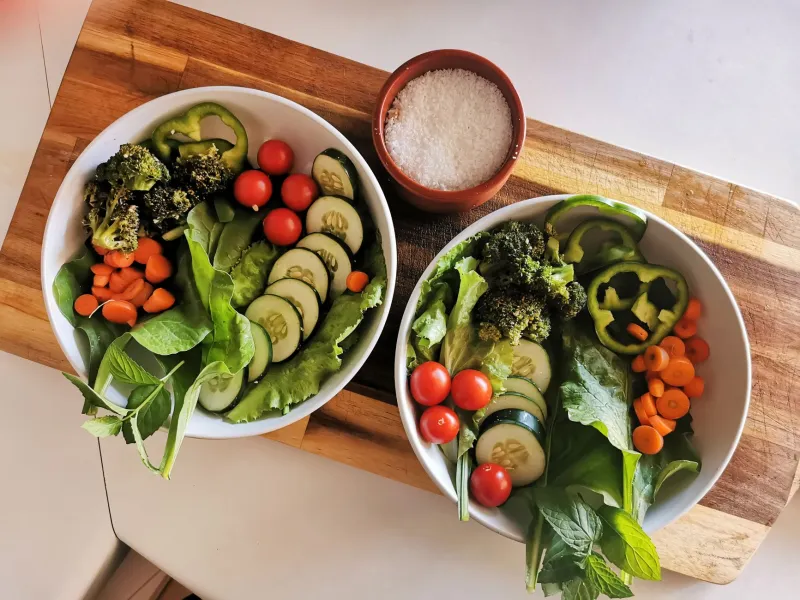
Leafy greens like spinach, kale, or arugula (+2): These aren't just filler. Leafy greens are loaded with polyphenols and vitamin K, both of which help regulate inflammatory cytokines. Arugula in particular has a sharp, bitter edge that signals the presence of glucosinolates — compounds with demonstrated anti-inflammatory properties.
Turmeric with black pepper (+2): Curcumin, the active compound in turmeric, has been studied extensively for its ability to inhibit inflammatory enzymes. The catch: it has poor bioavailability on its own. Add black pepper — which contains piperine — and absorption increases dramatically. A golden tahini drizzle or a turmeric-spiced grain base earns its place here.
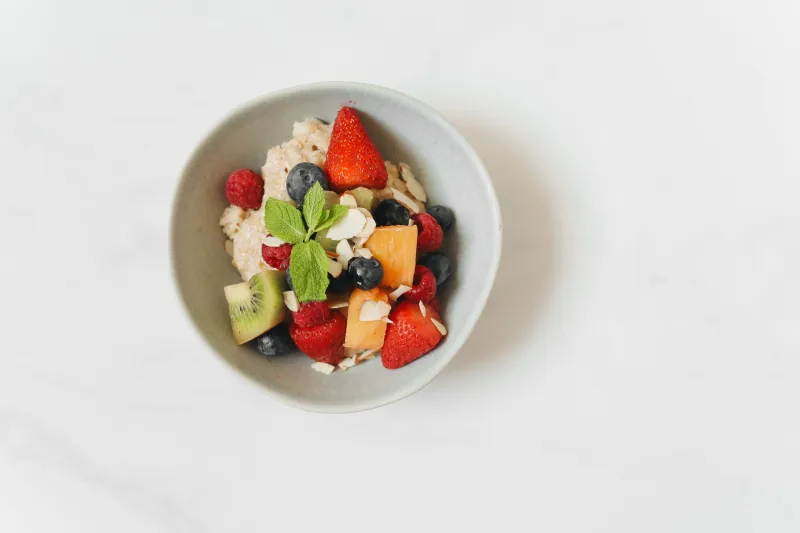
Berries (+2): Blueberries, blackberries, and tart cherries are dense with anthocyanins, a class of flavonoids that reduce oxidative stress post-exercise. Tart cherry juice specifically has shown up in sports nutrition research for reducing muscle soreness. Fresh or frozen, both work.
Extra virgin olive oil (+1): The oleocanthal in quality EVOO functions similarly to ibuprofen at a biochemical level — it inhibits the same COX enzymes. Drizzle it on rather than cooking at high heat to preserve those compounds.
Ingredients That Score Low (The Sneaky Inflammation Drivers)
Refined grain bases like white rice or standard white bread (-1 to -2): High glycemic foods spike blood sugar rapidly, which triggers an inflammatory response via advanced glycation end products (AGEs). Brown rice, farro, or quinoa are easy swaps that bring the score back up.
Conventional vegetable oils like canola, soybean, or corn oil (-2): These are sky-high in omega-6 fatty acids. Some omega-6 is necessary, but the typical American diet already runs at an omega-6 to omega-3 ratio of around 15:1 — far above the ideal 4:1. Cooking your bowl components in these oils nudges that ratio further in the wrong direction.
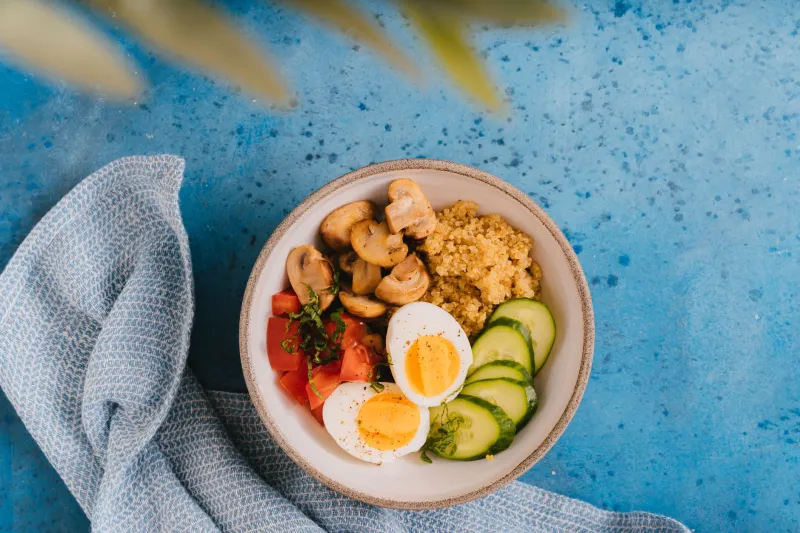
Processed proteins like deli turkey, flavored jerky, or pre-marinated chicken (-1): These often contain added sugars, nitrates, and sodium levels that quietly contribute to inflammatory load. Whole protein sources — grilled chicken breast, hard-boiled eggs, edamame — are cleaner bets.
Sweetened dressings and sauces (-1 to -2): A store-bought honey mustard or teriyaki glaze can pack 10–15 grams of added sugar in a single serving. Added sugar is one of the most direct dietary triggers of inflammatory signaling. Make your own dressings with EVOO, lemon, garlic, and herbs and you flip the score entirely.
Cheese in large quantities (-1): This one stings a little, but saturated fat from dairy in significant amounts can promote inflammatory cytokine production. A small sprinkle of quality feta or parmesan? Probably fine. A heavy cheese layer? That's dragging your score down.
Building a Bowl That Scores +6 or Better
Here's what a genuinely high-scoring anti-inflammatory bowl might look like in practice:
- Base: Farro or brown rice (+1)
- Greens: Baby spinach and arugula (+2)
- Protein: Wild salmon or sardines (+2)
- Extras: Blueberries, sliced avocado, pumpkin seeds (+2)
- Dressing: EVOO, lemon juice, turmeric, black pepper (+2)
Total score: +9. That's a bowl that's actively working with your body's recovery systems, not against them.
The 'Healthy' Label Doesn't Tell the Whole Story
This is the part worth sitting with for a second. Plenty of ingredients carry a health halo — granola, dried fruit, flavored yogurt, store-bought protein sauces — that doesn't hold up when you look at their inflammatory profile. Granola can be loaded with refined sugars. Dried fruit concentrates natural sugars to a point where the glycemic impact gets real. Even some plant-based protein options come with seed oils and additives that push the score negative.
The scorecard isn't about being perfect or eliminating every imperfect ingredient. It's about awareness. Once you start mentally tagging your bowl components, you'll naturally start building with intention — swapping the soybean oil dressing for an olive oil base, reaching for berries instead of sweetened dried cranberries, choosing a whole grain over white rice without it feeling like a sacrifice.
Your recovery is happening at the cellular level every single day. What you put in your bowl is either funding that process or quietly undermining it. Run the scorecard. Build accordingly.