When Good Ingredients Go to War: The Hidden Absorption Conflicts Inside Your Bowl
You spent real money on organic kale. You measured out the quinoa. You drizzled on the tahini like a person who has their life together. And yet—somewhere between your cutting board and your cells—a silent nutritional standoff might be happening that no macro-tracking app is going to catch.
This is the bowl paradox: the idea that more healthy ingredients doesn't automatically mean more nutrition absorbed. Some compounds in whole foods actively compete with each other for the same absorption pathways. Others need specific conditions—heat, fat, acid—to even become usable by your body. Getting this wrong doesn't mean your bowl is bad, but it does mean you might be leaving a surprising amount of nutritional value on the table.
Let's break down what's actually going on.
The Iron-Calcium Standoff
This one surprises a lot of people. Calcium and iron are both essential minerals, both commonly found in health-focused bowls, and both in direct competition when eaten together in significant amounts.
Calcium—whether it's coming from dairy, fortified plant milk, or calcium-set tofu—can inhibit the absorption of non-heme iron, which is the type found in plant sources like lentils, spinach, and fortified grains. The two minerals share the same intestinal transport channels, and calcium tends to win that fight when both are present in large quantities.
Practically speaking: if you're plant-based and relying on iron-rich ingredients like chickpeas or black beans, pairing them with a heavy calcium source in the same bowl may reduce how much iron you actually absorb. It doesn't mean you need to eliminate calcium from your diet—just that timing and balance matter. Spreading calcium-heavy foods and iron-rich foods across different meals can help your body absorb both more efficiently.
Oxalates: The Spinach Plot Twist
Spinach is a nutritional darling, and for good reason. It's packed with iron, magnesium, folate, and vitamin K. But spinach is also high in oxalates—naturally occurring compounds that bind to certain minerals and form complexes your gut can't absorb.
The result? Much of the calcium and iron in raw spinach is essentially locked up by its own oxalate content. Studies suggest that the bioavailability of calcium from spinach is significantly lower than from low-oxalate greens like kale or bok choy. If you're building a bowl primarily around raw spinach as your mineral source, you're working against yourself.
Light cooking helps. Blanching or lightly sautéing spinach reduces oxalate content and frees up more of those minerals for absorption. It's a small step that makes a measurable difference.
The Fat-Soluble Vitamin Problem
Here's one that works in your favor—if you know how to use it. Vitamins A, D, E, and K are fat-soluble, meaning your body needs dietary fat present to absorb them properly. These vitamins are found in ingredients like sweet potatoes (beta-carotene, which converts to vitamin A), leafy greens (vitamin K), and roasted red peppers (vitamin E).
A bowl loaded with these ingredients but dressed only in a splash of lemon juice and nothing else? You're absorbing a fraction of what those vegetables offer. Add a fat source—avocado, olive oil, nuts, seeds—and bioavailability can increase dramatically. Some research shows that pairing fat with carotenoid-rich vegetables can boost absorption by three to five times compared to fat-free meals.
This is actually one of the strongest arguments for building your bowl with a quality fat component, not just as a flavor element, but as a functional nutritional tool.
Phytates and Your Mineral Absorption
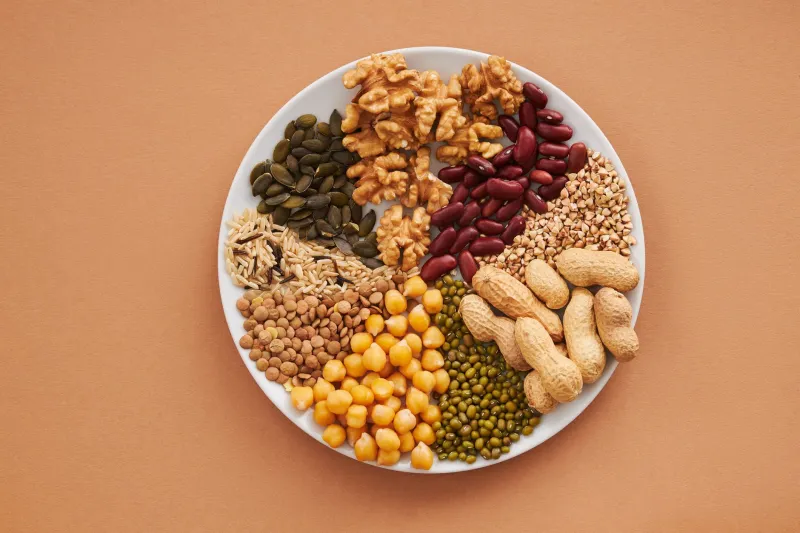
Whole grains, legumes, and seeds—the backbone of most performance bowls—contain phytic acid, also called phytates. Phytates bind to zinc, iron, and magnesium in your digestive tract, reducing how much of those minerals make it into your bloodstream.
This doesn't mean you should avoid these foods. They're nutritionally dense and important. But preparation methods matter a lot here. Soaking dried beans before cooking, sprouting grains or seeds, or choosing fermented options like tempeh can significantly reduce phytate content. Cooking itself helps too. The simple act of boiling lentils breaks down a meaningful portion of their phytic acid load compared to eating them raw or undercooked.
If you're building bowls around legumes and whole grains every day—which is a totally solid strategy—leaning into these prep techniques gives your body better access to the minerals those ingredients actually contain.
The Pairings That Actually Work Together
Not every nutrient interaction is a conflict. Some combinations actively enhance each other, and knowing them is just as useful as knowing the friction points.
Iron + Vitamin C: This is one of the most well-documented synergies in nutrition. Vitamin C converts non-heme iron into a form that's easier for your gut to absorb. Squeezing lemon juice over a lentil bowl, adding sliced bell peppers to a chickpea base, or tossing in some cherry tomatoes are all simple ways to take advantage of this pairing.
Turmeric + Black Pepper: Curcumin, the active compound in turmeric, has notoriously low bioavailability on its own. But piperine—found in black pepper—can increase curcumin absorption by up to 2,000 percent according to some research. If you're adding turmeric to your bowl for its anti-inflammatory properties, a pinch of black pepper in the same dish is basically mandatory.
Fat + Lycopene: Tomatoes and cooked red peppers are rich in lycopene, a powerful antioxidant. Like the fat-soluble vitamins above, lycopene absorption jumps significantly when consumed with a fat source. Roasting tomatoes in olive oil or pairing them with avocado in a bowl is a combination that earns its place.
How to Actually Build a Smarter Bowl
None of this means your bowl needs to become a chemistry experiment. The practical takeaways are simpler than the science suggests:
- Always include a fat source. Not just for satiety—for fat-soluble vitamin absorption.
- Add something acidic. Lemon juice, lime, or a vinegar-based dressing pairs vitamin C with iron-rich ingredients.
- Cook your oxalate-heavy greens when they're your primary mineral source.
- Soak or sprout your legumes and grains when you have the time—it genuinely matters.
- Separate your biggest calcium and iron sources across meals if you're monitoring iron intake.
- Use black pepper whenever you use turmeric. Every single time.
Your bowl is already doing a lot of good work. These adjustments aren't about perfection—they're about making sure the ingredients you're already buying, prepping, and eating actually deliver what they're capable of. A little strategic layering goes a long way toward turning a healthy bowl into a genuinely high-performance one.