Feeling Worse on Your Best Diet? Here's What's Actually Going On

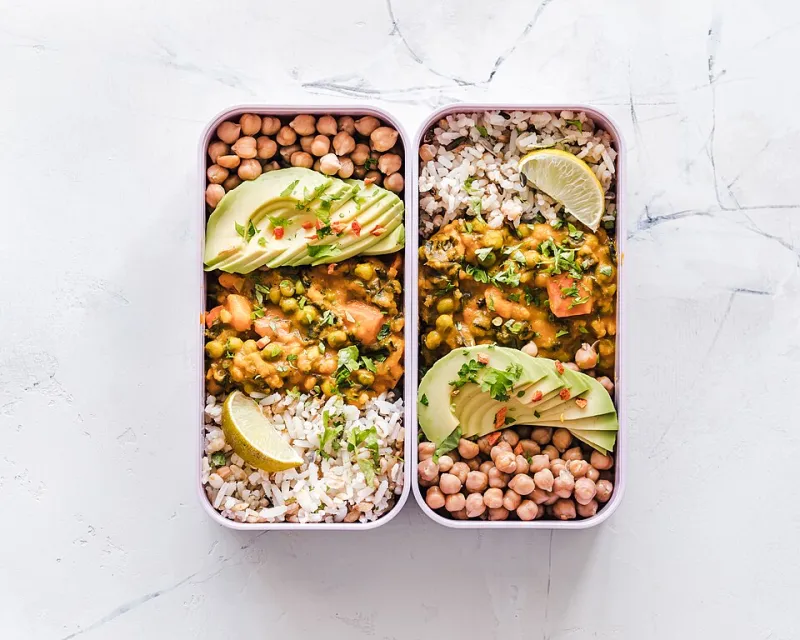
You spent the weekend meal prepping. Your bowls are color-coded, macro-balanced, and loaded with ingredients you can actually pronounce. Monday rolls around and instead of feeling energized and clear-headed, you're bloated, a little foggy, and weirdly more tired than you were when you were eating takeout three times a week.
What gives?
This is one of the most frustrating and undertalked experiences in the health food world. You do everything right, and your body responds like something went wrong. The good news: it usually hasn't. The not-so-good news: there's actually a lot going on under the hood, and understanding it makes all the difference between pushing through and giving up on a routine that was working.
Your Gut Didn't Get the Memo Yet
When you make a significant shift in what you eat—especially toward higher fiber, more plant diversity, fermented ingredients, or less processed food—your gut microbiome has to scramble to catch up. The bacterial populations that thrived on your old diet start to lose their food source. New strains that prefer whole grains, legumes, and leafy greens begin to multiply.
That transition isn't quiet. As certain bacterial populations decline, they release byproducts that can temporarily cause gas, bloating, loose stools, or even low-grade fatigue. This is sometimes loosely called "microbial die-off," and while the term gets thrown around a lot in wellness circles with varying degrees of accuracy, the underlying mechanism is real: your gut ecosystem is reorganizing, and that process creates some noise.
The fix here isn't to back off the good stuff—it's to ease in. If your bowl used to have one serving of vegetables and now has five, that jump in fiber can overwhelm digestive enzymes that haven't been working overtime in a while. Try ramping up your plant intake over two to three weeks rather than overhauling everything at once.
Histamine: The Hidden Ingredient No One Talks About
Here's a curveball that trips up a lot of health-focused eaters: some of the most nutrient-dense bowl ingredients are also high in histamine or trigger histamine release in the body. Avocado, spinach, tomatoes, fermented foods like kimchi or sauerkraut, smoked fish, and even leftovers that sat in the fridge too long can push histamine levels higher than your body is used to handling.
If you've suddenly introduced several of these ingredients at once—which is pretty common when you go all-in on a wellness bowl routine—you might notice headaches, skin flushing, nasal congestion, or an itchy feeling that has nothing to do with an allergy. This isn't necessarily a sign that these foods are bad for you. It often just means your body's histamine-clearing pathways (primarily an enzyme called DAO) are temporarily overwhelmed.
The strategy here is the same: rotate your high-histamine ingredients rather than stacking them in every single bowl. If you're building a base with spinach, maybe skip the fermented topping that day. Give your system time to adapt.
The Blood Sugar Shuffle
Another underappreciated adjustment effect comes from shifting your carbohydrate sources. If you were previously eating a lot of refined carbs—white bread, sweetened drinks, processed snacks—your blood sugar was probably running on a relatively predictable (if unhealthy) roller coaster. When you swap those out for complex carbs, legumes, and more fiber-rich whole grains, your glucose response changes significantly.
For some people, this recalibration period feels like fatigue, mood dips, or even mild headaches—especially in the first one to two weeks. Your body is essentially learning a new rhythm. It's not a sign that your bowl is under-fueling you. It's a sign that your insulin sensitivity is starting to improve, and that process takes a little time to stabilize.
Keeping protein and healthy fat consistent in your bowls during this transition helps buffer those fluctuations. Don't cut carbs entirely in a panic—just make sure nothing in your bowl is running solo.
How to Tell the Difference Between Adjustment and an Actual Problem
This is the part that really matters. Transition symptoms are real, but they're not a blank check to ignore signals your body is sending. Here's a loose framework for reading what you're experiencing:
Normal adjustment territory:
- Bloating or gas that peaks around days 3–10 and gradually improves
- Mild fatigue in the first week that lifts after two weeks
- Changes in stool frequency or consistency that stabilize within two weeks
- Temporary skin breakouts (especially if you've significantly increased detox-supporting vegetables)
Worth paying attention to:
- Symptoms that get worse after two to three weeks instead of better
- Significant digestive pain, not just discomfort
- Persistent headaches that don't respond to hydration
- Hives, swelling, or respiratory symptoms after eating (these could indicate an actual allergy or intolerance)
If your symptoms fall into the second category, it's worth revisiting your bowl composition more carefully—or checking in with a registered dietitian. Sometimes what looks like a healthy bowl has a hidden ingredient that genuinely doesn't work for your specific biology.
Practical Moves That Actually Help
If you're in the thick of the adjustment phase, a few targeted strategies can shorten the rough patch without derailing your progress.
Hydrate aggressively. Increased fiber intake pulls water into your digestive tract. If you're not drinking enough, you'll feel it. Aim for at least half your body weight in ounces per day.
Don't overload the novelty. Introducing five new ingredients in one week is a recipe for confusion—both for your gut and for figuring out what's causing what. Add new components gradually.
Keep a simple food log. Not a calorie tracker, just a quick note of what you ate and how you felt two to three hours later. Patterns show up faster than you'd expect.
Cook your vegetables more during the transition. Raw vegetables are harder to break down than cooked ones. If you're dealing with significant bloating, steaming or roasting your bowl's plant components reduces the digestive load while you build tolerance.
Be consistent. One of the worst things you can do during the transition phase is bounce back and forth between your old eating pattern and your new one. Your gut microbiome needs consistent inputs to stabilize. Weekend slip-and-restart cycles extend the adjustment period significantly.
The Paradox Isn't a Red Flag—It's a Checkpoint
Feeling temporarily worse when you're eating better is counterintuitive, but it's also one of the most common experiences that never gets talked about in mainstream nutrition content. Everyone posts their day-30 transformation, not their day-8 bloat.
The bowl you built is probably doing exactly what it's supposed to. Your body just needs a few weeks to build the infrastructure to fully use it. Stay consistent, ease in where you can, and trust that the discomfort has a timeline—because it does.