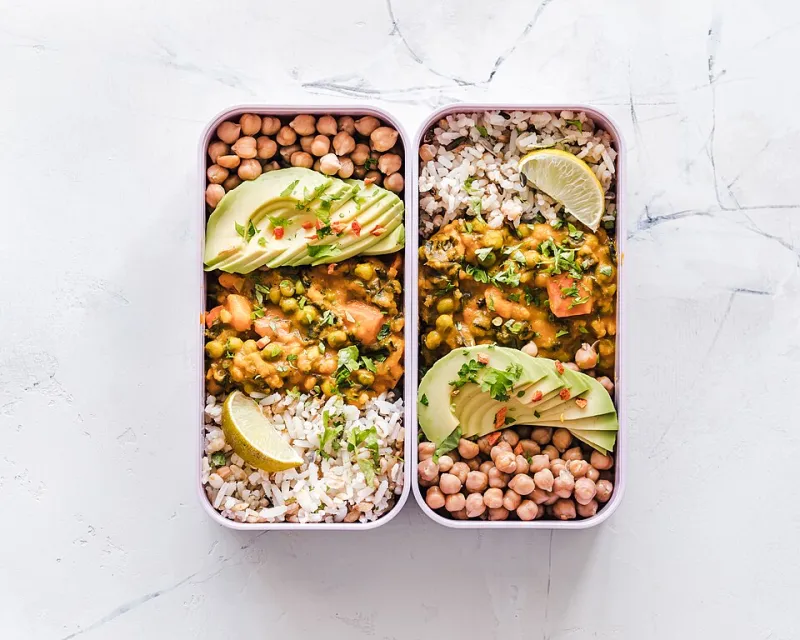
More Veggies, More Problems? The Hidden Digestive Cost of an Overpacked Plant Bowl
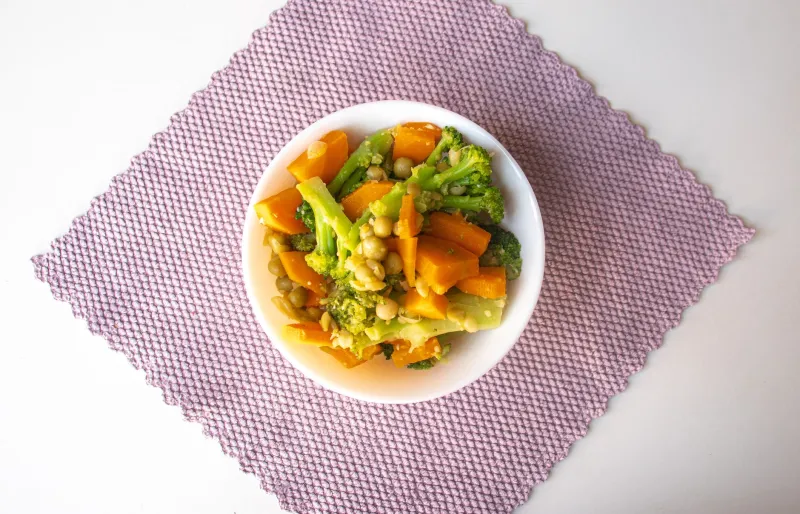
You did everything right. Roasted broccoli, raw cabbage, sliced onions, a handful of chickpeas, some sugar snap peas, and a scoop of lentils — all stacked into one gorgeous, Instagram-worthy bowl. Your macros look solid. Your colors are on point. And yet, two hours later, you're unbuttoning your pants and wondering what went wrong.
Here's the uncomfortable truth: the problem wasn't junk food. It was your vegetables.
This isn't a knock on plant-based eating. Vegetables are genuinely excellent for you. But there's a version of healthy eating that accidentally becomes its own digestive burden — and the overpacked veggie bowl is one of the most common culprits hiding in plain sight.
Why Your Gut Doesn't See "Vegetables" as One Category
From a nutritional standpoint, we tend to lump all vegetables together as a single food group. Your digestive system, though, doesn't work that way. Different vegetables belong to different plant families, and those families carry different types of fiber, different fermentable sugars, and different enzymatic demands.
Cruciferous vegetables — broccoli, cauliflower, Brussels sprouts, cabbage, kale — contain raffinose, a complex sugar that humans don't have the enzyme to break down on their own. Your gut bacteria handle it instead, and that fermentation process produces gas. That's not inherently bad, but the volume of fermentation matters.
Alliums — onions, garlic, leeks, shallots — are high in fructans, a type of FODMAP (fermentable oligosaccharide) that also gets fermented in the large intestine. Legumes like chickpeas and lentils bring their own fermentable fiber to the table, specifically galacto-oligosaccharides.
Now imagine all three of those categories landing in your gut at the same time. Your digestive enzymes are already stretched handling one type of complex carbohydrate, and suddenly they're being handed three more. The result? Slowed digestion, extended fermentation, and the kind of bloating that makes you question your entire meal-prep philosophy.
The Enzyme Bottleneck Nobody Talks About
Your body produces digestive enzymes in limited quantities at any given meal. Amylase, protease, lipase — these are the heavy hitters. But plant-specific digestion also relies on enzymes like cellulase and pectinase, which break down the cell walls of different vegetables. When you eat a wide variety of plant families at once, you're essentially asking your enzyme production to multitask across too many fronts simultaneously.
The vegetables that don't get fully broken down in the small intestine move into the large intestine, where bacteria go to work. More undigested plant matter equals more bacterial activity equals more gas production. It's not a sign that your gut is broken — it's just basic biology. But you can absolutely work with it instead of against it.
The Strategic Approach: Build Around Plant Families, Not Just Colors
The fix isn't eating fewer vegetables. It's being more intentional about which vegetables share real estate in your bowl on any given day.
Pick one fermentation-heavy family per bowl. If you're going cruciferous (broccoli, cauliflower, kale), skip the alliums and heavy legumes in that same meal. Pair your broccoli with something gentler — zucchini, bell peppers, cucumbers, or leafy greens like spinach and arugula, which are far easier to digest.
Rotate your plant families across the week, not within the meal. Monday's bowl can be cruciferous-forward. Tuesday's can feature alliums and root vegetables. Wednesday's can lean into legumes with mild greens. You still get tremendous diversity across seven days without overloading any single meal.
Lean on cooked versus raw strategically. Raw vegetables retain more of their complex fiber structures, which means more work for your digestive system. Lightly steaming or roasting cruciferous vegetables actually breaks down some of that raffinose before it ever hits your gut, significantly reducing gas production. If you love raw cabbage or broccoli in your bowls, consider keeping the portion smaller and pairing it with cooked, easier-to-digest vegetables.
Combinations That Work With Your Gut
Think of these as your go-to bowl-building frameworks:
The Gentle Green Bowl: Spinach, zucchini, cucumber, peas, and roasted sweet potato. This combo avoids fermentation-heavy families entirely and digests cleanly for most people. Add a lean protein and a tahini drizzle and you're set.
The Cruciferous-Forward Bowl: Roasted broccoli and cauliflower as your vegetable base, paired with carrots and red bell pepper. Skip the onions and legumes here. If you want protein, go with eggs, chicken, or tofu — not beans.
The Allium-Friendly Bowl: Caramelized onions and garlic-roasted root vegetables (parsnips, beets, carrots) paired with arugula or romaine. This bowl leans savory and rich without piling on additional fermentable fiber.
The Legume Bowl Done Right: When chickpeas or lentils are your star, keep the other vegetables mild and non-cruciferous. Think roasted red pepper, cherry tomatoes, spinach, and shredded carrots. This gives your gut one major fermentation task instead of three.
A Word on Individual Tolerance
It's worth acknowledging that gut tolerance is genuinely personal. Some people can eat a loaded cruciferous bowl with zero issues because their gut microbiome has a well-established population of bacteria that handle raffinose efficiently. Others — especially people who've recently changed their diet, taken antibiotics, or are just starting to eat more plants — will feel the effects more intensely.
If you've been increasing your vegetable intake recently and you're experiencing more bloating than expected, this isn't your body rejecting healthy food. It's your gut microbiome adjusting. The strategic bowl-building approach above can make that transition significantly more comfortable.
Also worth noting: if you're experiencing persistent, severe bloating regardless of what you eat, that's a conversation for your doctor or a registered dietitian. FODMAPs affect people with IBS differently, and a more structured elimination approach might be appropriate.
The Bottom Line for Your Bowl
Variety in your diet is genuinely important for long-term gut health. Eating a wide range of plant foods feeds a more diverse microbiome, and that diversity is linked to better immunity, mood, and metabolic health. But variety across the week is very different from variety crammed into a single bowl.
Being strategic about which vegetables you combine isn't restrictive eating — it's eating smarter. Your gut works best when it has a clear task, not a chaotic pile of competing demands. Build your bowls with a little more intention around plant families, and you might find that "eating healthy" finally stops coming with a side of discomfort.
Your bowl should fuel your day, not derail it.