Eat Like a Nutrition Pro Without the Premium Price Tag: Real Bowl Strategies for Tight Budgets

Photo: Ben from Montana, USA, CC BY 2.0, via Wikimedia Commons
Let's be honest about something the wellness industry rarely admits: eating healthy in America can feel like it's designed for people with a lot of disposable income. Açaí bowls for $13. Organic everything. Specialty grains you've never heard of that cost $9 a bag. It's a lot.
But the idea that nutritious food is inherently expensive is mostly a marketing myth — and a frustrating one. The truth is, some of the most nutrient-dense ingredients on the planet are also the cheapest ones in the store. You just need to know where to look and how to build around them.
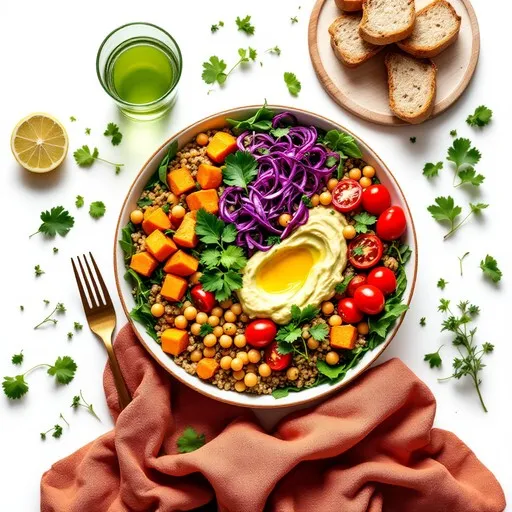
Here's a practical, no-fluff guide to building FitBowl-worthy meals on a budget that actually reflects how a lot of Americans are living right now.
Start With the Cheapest Protein Sources That Actually Deliver
Protein is usually the most expensive part of any bowl, so this is where smart shopping pays off the most.
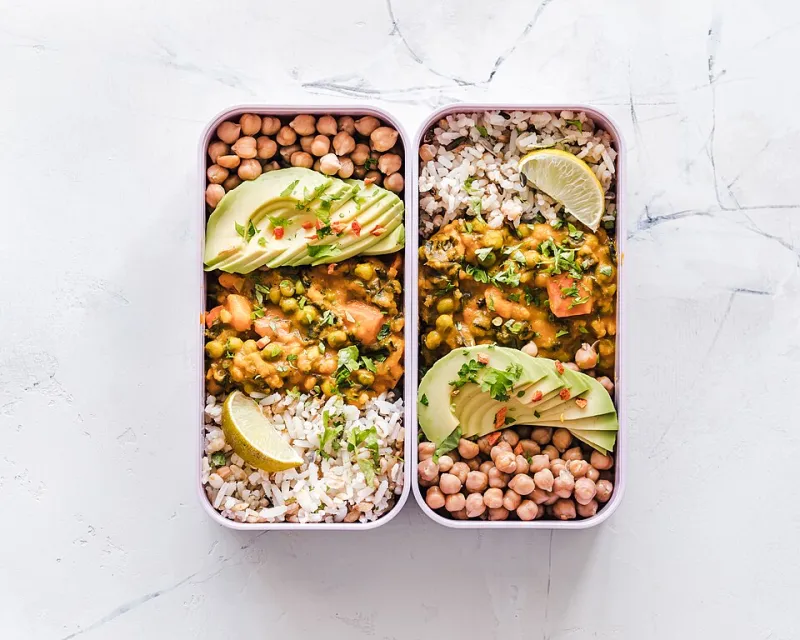
Canned beans are your best friend. A 15-ounce can of black beans, chickpeas, or kidney beans runs about $1 to $1.50 at most grocery stores and delivers 20 to 25 grams of protein plus a serious dose of fiber. Dried beans cost even less — a one-pound bag of lentils can feed you for a week and comes in under $2 at most stores.
Eggs are irreplaceable. Even when prices spike (looking at you, 2023), a dozen eggs still represents one of the best protein-per-dollar deals in the entire store. Two eggs over a grain bowl with some veggies is a complete, satisfying meal.
Canned tuna and salmon. Often overlooked, these pantry staples offer lean protein and omega-3 fatty acids at a fraction of what fresh fish costs. A can of wild-caught pink salmon runs about $2 to $3 and packs roughly 25 grams of protein.
Frozen edamame. A bag of shelled edamame costs around $3 and provides complete plant-based protein that thaws in minutes. Toss it straight into your bowl from frozen and it'll be ready by the time everything else is plated.
Build Your Base Without Blowing the Budget
The grain base of your bowl doesn't need to be fancy. In fact, the most affordable options are also nutritionally excellent.
Brown rice is a staple for a reason. A five-pound bag costs around $5 to $6 and will last you weeks. It's a solid source of complex carbohydrates and manganese, and it pairs with virtually everything.
Rolled oats aren't just for breakfast. A savory oat bowl with a soft-boiled egg, sautéed greens, and a drizzle of soy sauce sounds weird until you try it — and a canister of old-fashioned oats costs less than $4.
Frozen brown rice and quinoa blends have become widely available at stores like Trader Joe's, Aldi, and Walmart. These take about three minutes in the microwave and cost around $2 to $3 for multiple servings. For busy weeknights, the convenience is worth it.
Barley is an underrated option that most people walk right past. It's cheap, filling, high in fiber, and has a satisfying chewy texture that holds up well in bowls.
Vegetables: Fresh, Frozen, or Canned — All Valid
The fresh-only mentality around produce is one of the biggest barriers to affordable healthy eating. Here's the reality: frozen vegetables are picked at peak ripeness and flash-frozen, which often preserves more nutrients than fresh produce that's been sitting in a truck for five days.
Frozen spinach, broccoli, edamame, peas, and corn all cost $1 to $2 per bag and can be heated directly in a bowl. Keep a variety in your freezer and you'll always have vegetables on hand.
Cabbage is criminally underrated. A whole head of green or red cabbage costs about $1 to $2 and lasts for weeks in the fridge. Shred it raw for crunch, sauté it with garlic, or pickle it quickly in apple cider vinegar for a tangy topping that rivals anything at a trendy bowl shop.
Carrots, sweet potatoes, and beets are among the most affordable fresh vegetables in the produce section year-round. Roast a sheet pan on Sunday and you've got bowl toppings for several days.
Canned tomatoes and canned corn work beautifully as quick bowl additions. Look for low-sodium options when possible.
Flavor Without the Fancy Markup
One reason budget eating gets a bad reputation is that cheap food often tastes boring. The fix isn't expensive ingredients — it's building a small pantry of high-impact flavor boosters.
- Soy sauce or tamari adds umami depth to almost any bowl for pennies per serving.
- Apple cider vinegar brightens flavors and doubles as a quick pickling liquid.
- Chili flakes, cumin, smoked paprika, and garlic powder are inexpensive spices that transform plain grains and vegetables.
- Nutritional yeast adds a cheesy, savory note and a surprising amount of B vitamins. A bag runs about $6 and lasts months.
- Tahini is pricier upfront but lasts a long time and makes an excellent, protein-rich dressing when thinned with lemon juice and water.
Seasonal Shopping Makes a Real Difference
Produce prices swing dramatically by season, and buying what's in season in your region is one of the most reliable ways to cut your grocery bill. In summer, zucchini, corn, tomatoes, and peppers are abundant and cheap. Fall brings squash, sweet potatoes, and apples. Winter is root vegetable season. Spring delivers asparagus, peas, and fresh greens.
Farmers markets at the end of the day often have vendors looking to move product, which means deals on imperfect but perfectly nutritious produce. Apps like Flashfood and Too Good To Go can also surface discounted near-expiration grocery items in your area.
A Sample Budget Bowl Week
To put this all together, here's a rough five-day bowl plan built around common budget ingredients:
- Monday: Brown rice + black beans + frozen corn + shredded cabbage + salsa
- Tuesday: Rolled oats + soft-boiled egg + sautéed spinach + soy sauce + sesame seeds
- Wednesday: Lentils + roasted sweet potato + frozen broccoli + tahini drizzle
- Thursday: Canned salmon + brown rice + pickled cabbage + cucumber + chili flakes
- Friday: Chickpeas + barley + roasted carrots + nutritional yeast + lemon juice
Each of these bowls comes in well under $3 per serving when ingredients are bought in bulk or on sale. That's less than a vending machine snack at most offices.
The Real Point
Healthy eating isn't a luxury reserved for people with premium grocery budgets. The ingredients that genuinely support your fitness goals — legumes, whole grains, vegetables, eggs — are the same ones that have been keeping people nourished for centuries because they're abundant, affordable, and effective.
You don't need a $14 bowl to fuel your body well. You just need a plan, a well-stocked pantry, and the confidence to build something real with what you've got.