Stop Chasing the Protein Max: What Your Fitness Bowl Actually Needs

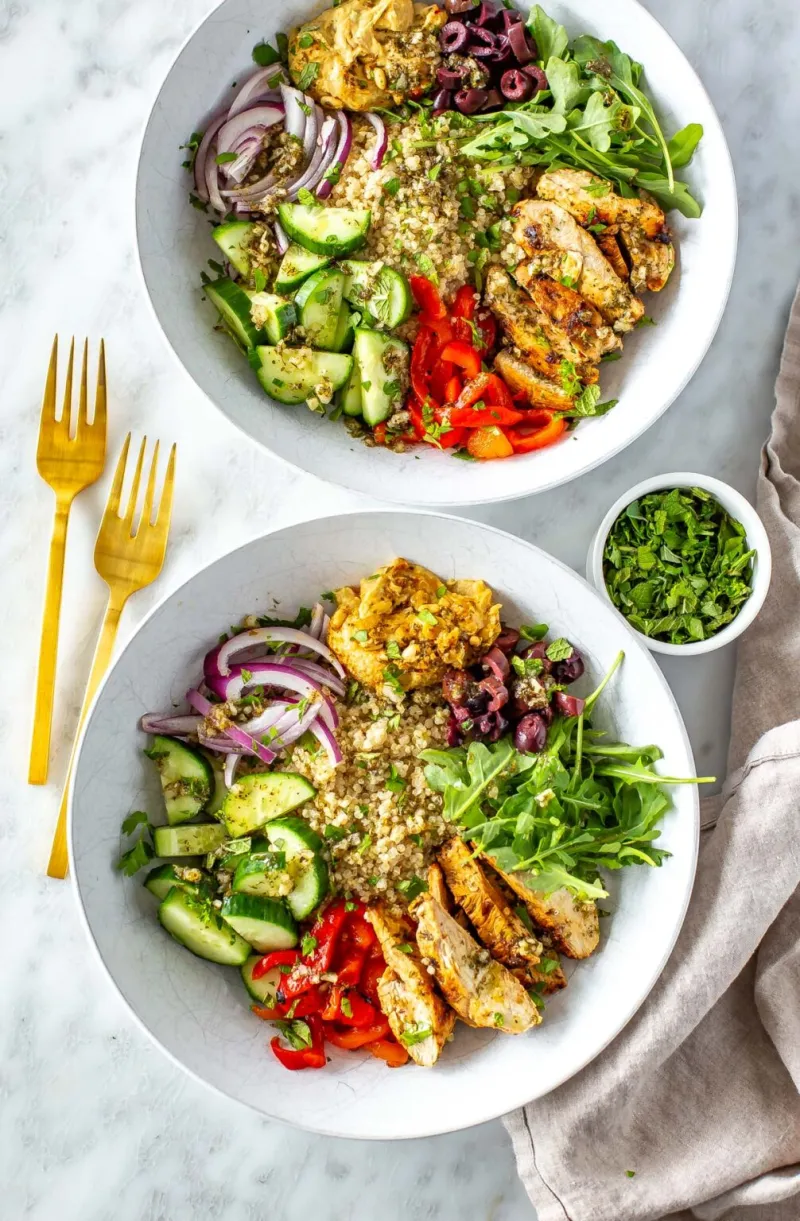
Photo by Photo by Anastasiia Chepinska on Unsplash on Unsplash
Walk into any gym locker room in America and you'll hear it: more protein equals better gains. Guys scooping triple servings of whey into their shakers, meal preppers stacking six chicken breasts into their weekly containers, fitness influencers flexing 250-gram protein days like a badge of honor. It's loud, it's confident, and it's largely wrong.
The truth about protein is a little less dramatic — and a lot more interesting. Getting the right amount for your specific goals can actually unlock better recovery, more energy throughout the day, and bowls that taste like real food instead of a science experiment.
The Number Everyone Gets Wrong
Let's start with the baseline most people ignore. The Recommended Dietary Allowance (RDA) for protein sits at 0.8 grams per kilogram of body weight — a number designed for sedentary adults, not people pushing through CrossFit classes or Sunday long runs. So yes, if you're active, you need more than that.
But here's where the myth runs off the rails: research consistently shows that benefits plateau well before the sky-high numbers fitness culture celebrates. For most recreational athletes and gym-goers, the sweet spot lands somewhere between 1.4 and 1.8 grams per kilogram of body weight per day. For a 170-pound person, that's roughly 108 to 139 grams — not the 250-gram mountain many people are grinding toward.
Elite strength athletes and bodybuilders in a caloric deficit may benefit from nudging closer to 2.2 grams per kilogram, but for the vast majority of fitness-focused eaters? Going past that threshold doesn't build more muscle. It just costs more at the grocery store.
Different Goals, Different Targets
Protein needs aren't one-size-fits-all, and your bowl should reflect your actual training life — not someone else's.
Endurance athletes (runners, cyclists, swimmers) often underestimate their needs. Long-duration cardio breaks down muscle tissue too, meaning you need enough protein to repair it. Aim for the lower-to-mid range: around 1.4 to 1.6 grams per kilogram. A bowl with a moderate salmon portion, quinoa, and roasted veggies hits this without overdoing it.
Strength and hypertrophy trainers can push toward 1.6 to 2.0 grams per kilogram on training days. But the key insight most people miss is that your body can only use about 20 to 40 grams of protein per meal for muscle protein synthesis at a time. Eating 80 grams in one sitting doesn't double the benefit — it just gives your kidneys more work to do.
Casual fitness folks — three to four moderate workouts per week — function well around 1.2 to 1.6 grams per kilogram. A single palm-sized protein source per bowl, rotated throughout the day, covers it comfortably.
What Actually Happens When You Overdo It
Excess protein doesn't disappear. Your body converts unused amino acids into energy (or fat), a process that releases nitrogen waste your kidneys have to filter out. For healthy people, this isn't usually dangerous in the short term, but it's genuinely inefficient — you're spending money and digestive energy on protein your body isn't using for muscle.
There's also the opportunity cost problem. When protein crowds out other macronutrients in your bowl, something else suffers. Cut carbs too low in the name of protein purity, and you're running your workouts on fumes. Skip healthy fats, and fat-soluble vitamins like A, D, E, and K can't be absorbed properly. The bowl becomes lopsided — optimized for a number on a label rather than actual human performance.
Some high-protein diets also skew heavily toward animal sources, which can increase saturated fat intake if you're not being thoughtful about it. Red meat every meal, day after day, isn't a performance plan — it's a cholesterol experiment.
Building the Balanced Performance Bowl
Here's the shift that changes everything: instead of asking "how do I maximize protein?", ask "how do I make every ingredient in this bowl earn its spot?"
Anchor with a smart protein. Grilled chicken thighs, baked tofu, hard-boiled eggs, edamame, canned salmon, or Greek yogurt all bring solid protein without overwhelming your bowl's nutritional ecosystem. A 4-to-6-ounce serving is usually enough for one meal.
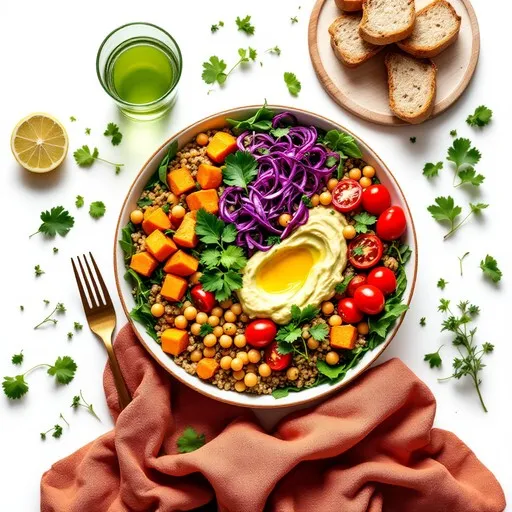
Layer in complex carbs intentionally. Brown rice, farro, sweet potato, or lentils don't just add bulk — they replenish glycogen stores that fuel your next workout. Carbs and protein work as a team for muscle recovery, especially in the 30-to-60-minute post-workout window. Don't pit them against each other.
Don't skip the fat. Avocado, olive oil drizzle, tahini, or a small handful of walnuts slow digestion and keep you full longer. They also help your body absorb the micronutrients in whatever greens you've loaded in.
Use protein variety across the day. Rather than front-loading 60 grams at breakfast, spread intake across meals. A morning bowl with two eggs and cottage cheese, a lunch bowl with chickpeas and farro, and a dinner bowl with salmon and edamame covers your bases more effectively than any single mega-protein meal.
The Takeaway for Your FitBowl
Protein matters. Nobody's arguing otherwise. But the obsession with maximizing it has overshadowed what actually drives performance: a thoughtful balance of macronutrients that supports your specific training load, fuels your energy systems, and tastes good enough that you'll actually stick to it.
Your bowl doesn't need to be a protein delivery vehicle. It needs to be a complete meal — one that respects the science, fits your goals, and doesn't make you feel like you're eating out of a supplement catalog. Find your number, build around it intentionally, and let the rest of the bowl do its job.
That's not a compromise. That's just smarter eating.