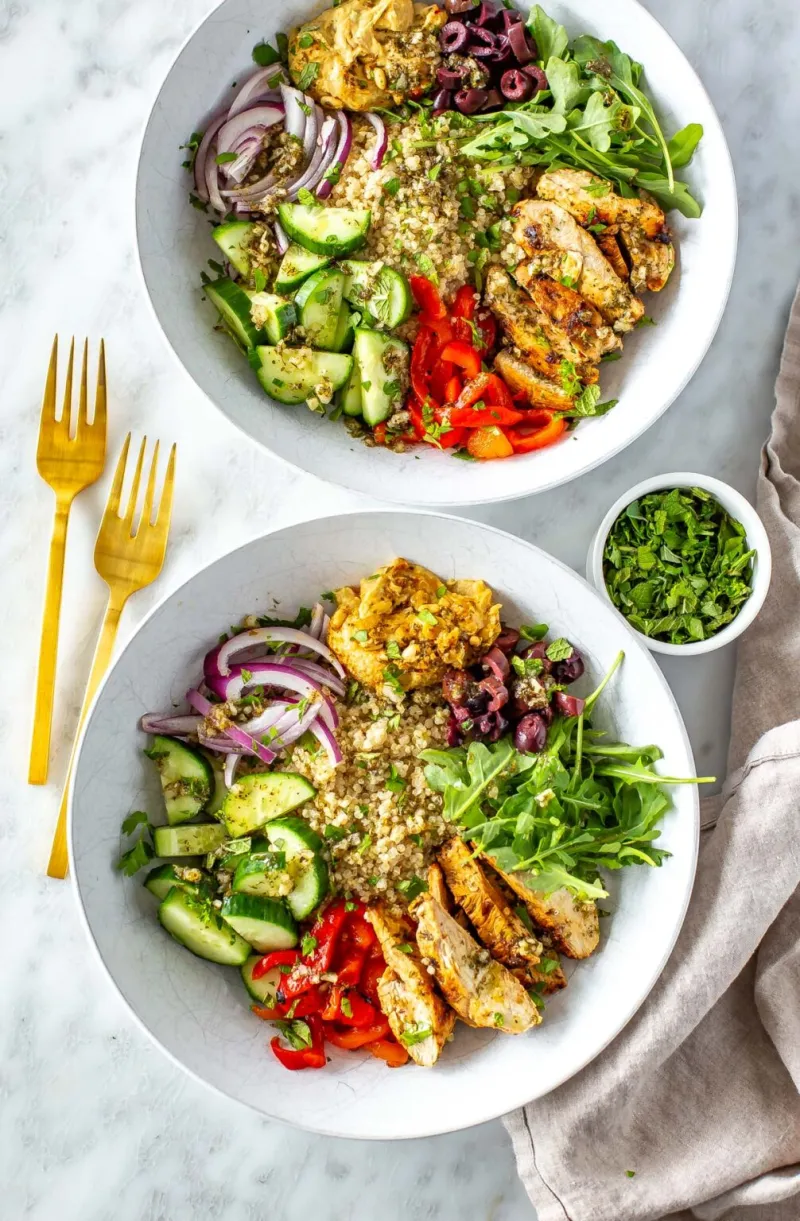
Minerals Matter More Than You Think: Filling the Gaps in Your Fitness Bowl

Photo by Photo by Anton Jansson on Unsplash on Unsplash
Let's be honest. Most of us in the fitness world have spent way more time stressing over protein grams than we have thinking about magnesium. And honestly? That's understandable. Macros are visible, measurable, and constantly talked about. But if your performance has plateaued, your sleep is still rough, or your muscles cramp up during a workout you've done a hundred times before, your macros probably aren't the problem.
Your micronutrients might be.
The thing is, building a high-protein bowl doesn't automatically mean you're building a complete bowl. Chicken breast, brown rice, and a handful of spinach will absolutely hit your protein targets—but that same bowl could leave you chronically short on minerals that your body needs to actually use all that protein effectively. Let's dig into the four most commonly neglected micronutrients among fitness-focused eaters and talk about how to weave them into your regular bowl rotation without turning meal prep into a chemistry class.
Why Micronutrients Get Ignored (And Why That's a Problem)
Here's the deal with micronutrients: their deficiencies don't usually announce themselves loudly. You won't feel iron-deficient the way you feel hungry. Instead, you'll just feel... slower. Foggier. More tired than usual. Recovery takes a day longer than it should. Your motivation dips. You chalk it up to stress or sleep or a hard training week, never suspecting that your bowl is quietly leaving critical building blocks off the table.
For people who train regularly, the stakes are actually higher than for sedentary folks. Exercise increases your body's demand for several key minerals. Sweat depletes electrolytes. Muscle repair requires enzymatic reactions that depend on zinc and B vitamins. If you're not eating to replenish what you're burning through, you're essentially running your engine low on oil.
Magnesium: The Quiet Workhorse You're Probably Skimping On
Magnesium is involved in over 300 biochemical reactions in the body—everything from muscle contraction to protein synthesis to sleep regulation. And yet, studies consistently show that a large portion of Americans don't meet their daily magnesium needs. Athletes and heavy exercisers are especially at risk because magnesium is lost through sweat.
The signs of low magnesium are frustratingly vague: muscle cramps, poor sleep, fatigue, and irritability. Sound familiar?
Bowl fix: Load up on pumpkin seeds (one of the richest food sources around), dark leafy greens like Swiss chard or spinach, black beans, and quinoa. A simple base of quinoa with a generous scoop of black beans already puts a solid dent in your daily magnesium target. Toss in a small handful of pumpkin seeds as a topper and you're in great shape.
Iron: It's Not Just a Women's Health Issue
Iron deficiency is often framed as a concern for women, but male endurance athletes and anyone who trains intensely can also run low. Iron is essential for transporting oxygen to your muscles—so when levels drop, so does your stamina. If you've been feeling unusually winded during workouts that used to feel manageable, low iron deserves a look.
There are two types of dietary iron: heme iron (from animal sources, more easily absorbed) and non-heme iron (from plants, less bioavailable on its own). The good news? Pairing non-heme iron sources with vitamin C dramatically boosts absorption.
Bowl fix: Add lean red meat or canned sardines if you eat animal products. For plant-based bowls, lentils and tofu are solid iron sources. The key move here is pairing them with something vitamin C-rich—think roasted red bell peppers, a squeeze of fresh lime juice, or sliced strawberries on top. That combo does real work.
Zinc: The Recovery Mineral That Deserves More Credit
Zinc plays a central role in immune function, wound healing, and protein synthesis. For anyone doing resistance training, that last one is huge—zinc is literally part of the machinery your body uses to build and repair muscle tissue. It also supports testosterone production, which affects recovery and body composition.
High-phytate diets (lots of whole grains and legumes without variety) can actually inhibit zinc absorption, which is an ironic problem for health-conscious eaters who lean heavily on plant foods.
Bowl fix: Oysters are the undisputed zinc champions if you're into seafood. Otherwise, beef, pumpkin seeds, hemp hearts, and chickpeas are your go-to options. Soaking or sprouting legumes before cooking can reduce phytate content and improve zinc absorption—worth knowing if you're plant-based.
B Vitamins: The Energy Metabolism Squad
The B vitamin family—particularly B12, B6, folate, and riboflavin—acts like a backstage crew for your energy production. They help convert food into usable fuel, support red blood cell formation, and play a key role in nervous system function. B12, specifically, is found almost exclusively in animal products, making it a real concern for vegans and vegetarians who aren't supplementing.
B6 deficiency can affect mood and cognitive function, which matters for motivation and mental performance just as much as physical output.
Bowl fix: Eggs, salmon, and chicken are reliable B vitamin sources for omnivores. For plant-based eaters, nutritional yeast is a powerhouse—it's often fortified with B12 and has a savory, cheesy flavor that works beautifully as a bowl topper. Edamame and sunflower seeds bring solid B6. And if you're fully plant-based, a B12 supplement isn't optional—it's just smart.
Building a Mineral-Rich Bowl Without Overthinking It
Here's the practical takeaway: you don't need to redesign every meal from scratch. You just need to be strategic about a few high-impact additions.
- Rotate your greens. Spinach, Swiss chard, and kale each bring different mineral profiles. Don't get stuck on just one.
- Use seeds as toppers. Pumpkin seeds, hemp hearts, and sunflower seeds are small but mighty. A two-tablespoon sprinkle adds meaningful nutrition with zero prep.
- Pair iron with vitamin C every time. Make it a habit, not an afterthought.
- Add nutritional yeast. If you haven't tried it, start. It's easy, affordable, and genuinely delicious on grain bowls.
- Don't fear variety in your proteins. Rotating between chicken, salmon, lentils, eggs, and beef naturally diversifies your micronutrient intake in ways that a single-protein approach never will.
Macros get you started. Micronutrients keep you going. Your bowl can do both—it just takes a little intentional layering.