Stacking Superfoods Is Slowing You Down: The Case for Doing Less With Your Bowl
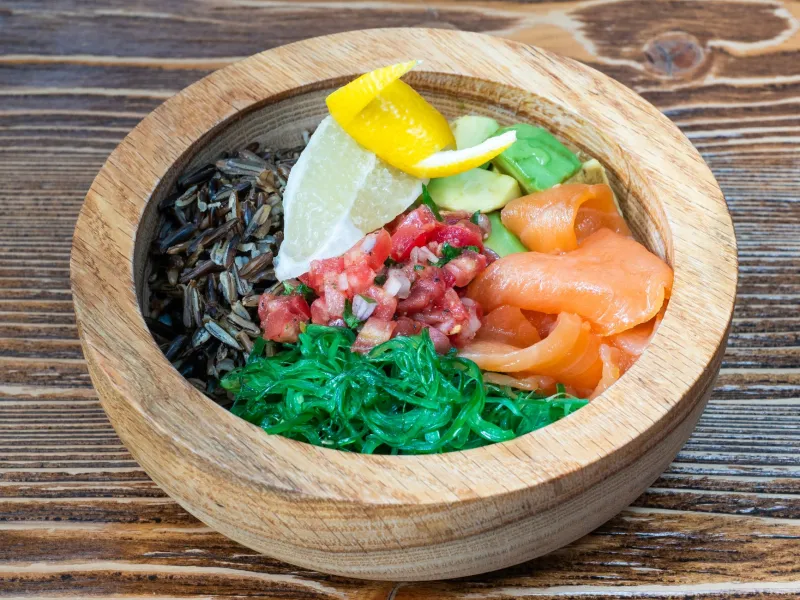
There's a certain satisfaction that comes from building what looks like the perfect bowl. Quinoa base, check. Roasted salmon, check. Turmeric-spiced chickpeas, hemp seeds, spirulina drizzle, fermented cabbage, and a handful of goji berries — all check. On paper, it reads like a nutrition textbook's dream. In your gut? It might be telling a very different story.
The idea that more nutrients always equals better outcomes is one of the most persistent myths in the fitness-eating world. And it's costing people results they're working hard for.
Your Body Isn't a Storage Vault
Here's the thing most nutrition content glosses over: your digestive system has a throughput limit. It can only absorb so much of any given nutrient in a single sitting, and when you overwhelm it — even with genuinely good stuff — the excess either passes through unused or creates processing backlog that your body has to work to manage.
Take iron and calcium as a classic example. Both are essential. Both show up in a lot of fitness-forward bowls. But when they're consumed together in high amounts, they compete for the same absorption pathway in your small intestine. One wins. The other largely doesn't get absorbed. You've eaten two premium sources of critical minerals and walked away with the benefit of roughly one.
This isn't a niche problem. It happens with zinc and copper, with fat-soluble vitamins A, D, E, and K when consumed without enough dietary fat to carry them, and with high-fiber ingredients that can actually bind to certain minerals and escort them right out of your system before absorption ever happens.
The Over-Optimized Bowl: What It Actually Looks Like
Fitness-conscious eaters tend to be the most vulnerable to this trap, precisely because they care. They've read the research, they know their macros, and they're motivated to make every meal count. So they add. And add. And add.
Consider someone training five days a week who builds their lunch bowl around maximizing recovery. They load it with anti-inflammatory turmeric and ginger, high-protein Greek yogurt base, omega-3-rich walnuts and flaxseed, iron-dense lentils, and a generous pour of a green superfood powder. Each ingredient is individually defensible. Together, they create a digestive environment that's essentially trying to run too many programs at once.
The result? Bloating during afternoon training. Energy that spikes and then crashes. And over time, a subtle but real resistance in the gut that makes it harder to absorb even the basics reliably. Some people chalk this up to stress or sleep. The bowl is rarely the first suspect.
When Nutrient Density Becomes Metabolic Noise
Your metabolism isn't just about calories in and calories out. It's a signaling system. And when you flood it with too many competing inputs — a dozen different phytonutrients, multiple fiber types, several protein sources, and a mix of fat-soluble compounds — you're essentially sending it a very noisy message.
Research in nutritional biochemistry points to something called "metabolic saturation," the point at which additional nutrient inputs stop generating additional benefit and start requiring more energy to process than they return. For everyday eaters, this threshold is rarely reached. For people building aggressively optimized bowls three times a day, it's more common than you'd think.
The irony is real: the people putting the most effort into their nutrition are sometimes the ones getting the least return on it.
Finding Your Personal Nutrient Sweet Spot
So what does a better approach actually look like? It starts with pulling back the lens from individual ingredients and thinking about what your body genuinely needs from a specific meal, given what's happening in your day.
Match the bowl to the moment. A pre-workout bowl needs fast-access carbs and moderate protein. Piling it with high-fiber legumes and competing fat sources slows gastric emptying right when you need the opposite. A recovery bowl should prioritize protein and anti-inflammatory fats — not every antioxidant you own.
Limit your functional additions. Superfood powders, seed blends, and fortified toppings are fine in moderation. But treat them like seasoning, not foundation. Pick one or two additions that serve a specific purpose, rather than using your bowl as a catch-all for every supplement you've been meaning to take.
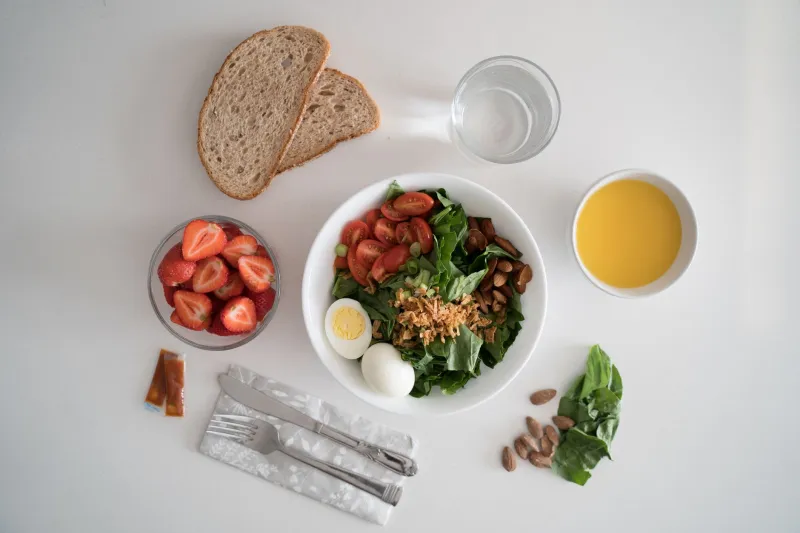
Give your gut a break. Not every meal needs to be a nutritional masterpiece. Simpler bowls — a clean grain, a solid protein, a few well-chosen vegetables — give your digestive system room to actually do its job. Absorption improves when the environment isn't chaotic.
Rotate, don't stack. Instead of trying to get every key nutrient into every bowl, think across the week. Eat your iron-rich meal separately from your high-calcium meal. Rotate your protein sources. Let your body fully process one nutritional priority before you introduce another.
The Simpler Bowl That Outperforms the Perfect One
There's a reason some of the most metabolically efficient eaters you'll find — endurance athletes, serious lifters who've been at it for years — tend to eat fairly simply. Not because they don't know their nutrition, but because they've learned that clean, purposeful, and digestively manageable consistently beats complicated and comprehensive.
A bowl with five well-matched ingredients that your body can fully absorb and use is going to outperform a twelve-ingredient masterpiece that your gut spends three hours trying to untangle.
That's not a reason to stop caring about what goes into your bowl. It's a reason to care more deliberately. Ask what this meal needs to accomplish. Build toward that. Stop when you've answered the question.
The Takeaway
More isn't a nutrition strategy. It's a reflex. And for fitness-focused eaters who've put real time into learning what's good for them, it's a surprisingly easy trap to fall into.
Your bowl doesn't need to do everything. It needs to do the right things, in the right amounts, at the right time. That's a much more interesting challenge than just adding the next superfood to the rotation — and it's the one that actually moves the needle on how you feel, perform, and recover.
Simplify with intention. Your gut will notice the difference before your tracking app does.